



 Back To Blogs
The Link Between TMJ Disorder and Sleep Apnea Explained
Posted By:

July 18, 2026

5:04 PM
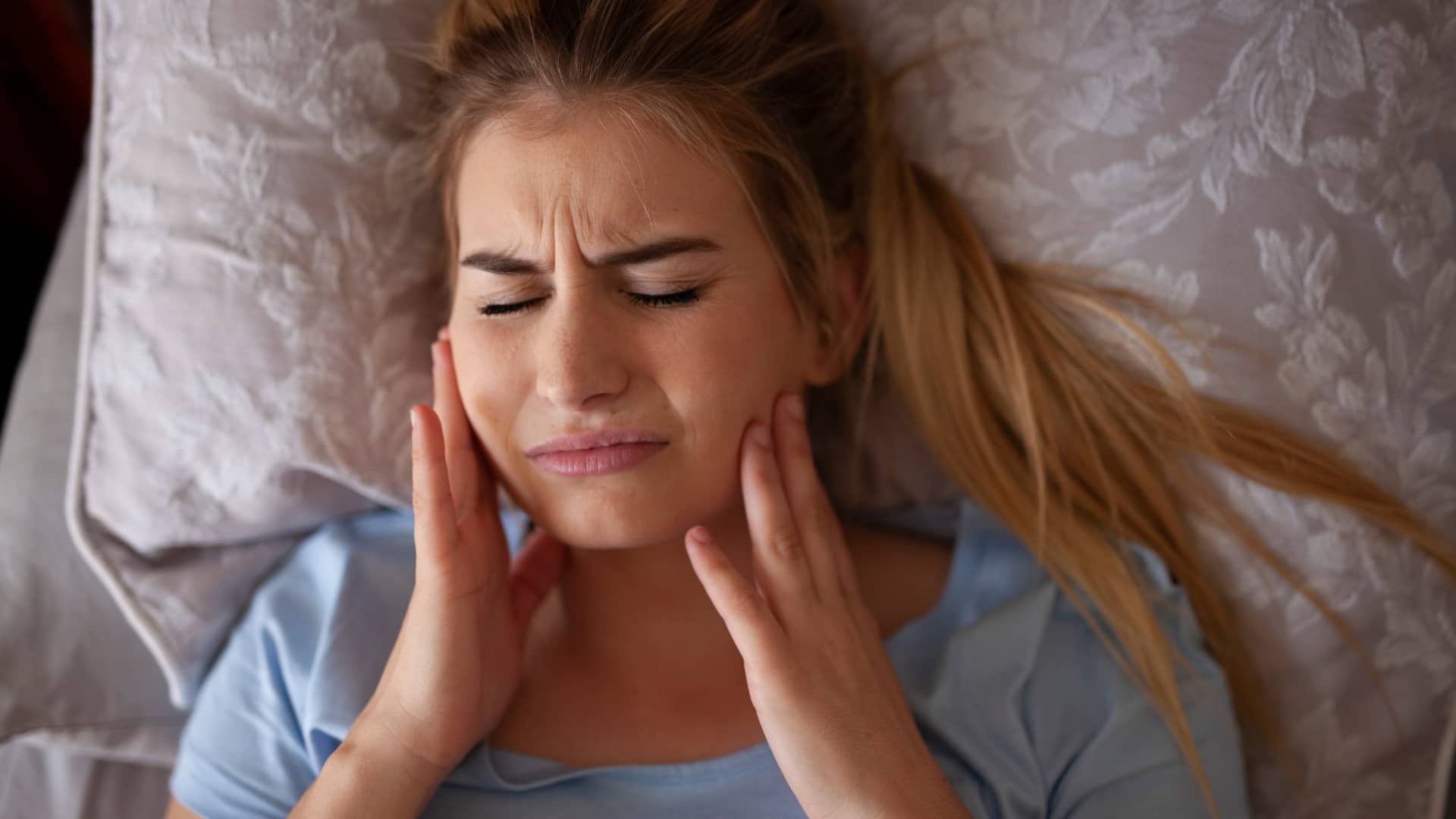
The temporomandibular joint, or TMJ, is what connects the jaw to the skull. It is a hinge on each side of your jaw that allows it to open. A properly functioning TMJ is what allows you to chew, speak, and control your airway. The TMJ can’t do these jobs effectively if it becomes misaligned or strained. This is called TMJ disorder, or TMD, and it can exacerbate sleep apnea, a condition where breathing stops and starts unexpectedly during sleep. The combination of TMJ disorder and obstructive sleep apnea can cause more than just fatigue and fuzziness during the day. In fact, it could become life-threatening without proper treatment.
What Is the Connection Between TMJ and Sleep Apnea?
Before we can discuss the connection between TMJ disorder and sleep apnea, we need to first define these terms. TMJ disorder is a condition that affects the jaw joints and surrounding muscles, often causing jaw pain, clicking or popping sounds, headaches, and difficulty chewing. Obstructive sleep apnea is a sleep-related breathing disorder in which the airway becomes partially or completely blocked during sleep, leading to repeated pauses in breathing.
The TMD and sleep apnea link is that both may involve a misalignment of the jaw that constricts the air passage. These conditions often occur together because both can be influenced by the position of the jaw, the structure of the airway, tension in the surrounding muscles, and nighttime teeth grinding. Does TMJ cause sleep apnea? No, but each can exacerbate the other condition, leading to serious sleep and overall health issues.
How TMJ Disorder and Sleep Apnea Make Each Other Worse
Jaw misalignment and sleep apnea can each make the other condition worse. A recessed jaw can obstruct the space in the upper airway, causing it to narrow or restrict during sleep. The body’s response to this is to clench the jaw muscles to maintain airflow. However, the pressure and tension this causes can damage the jaw joints, leading to TMJ disorder. Perhaps unsurprisingly, a study in the Journal of Dental Research found that sleep apnea symptoms often precede the development of temporomandibular joint disorder.
Symptoms That Suggest You Have Both TMJ and Sleep Apnea
If you experience several of the following symptoms, it may be worth discussing both conditions with an experienced dentist or sleep specialist.
Nighttime Symptoms
Some of the most common sleep apnea and TMJ disorder symptoms at night:
-
Loud snoring
-
Gasping, choking, or pauses in breathing during sleep
-
Frequent awakenings throughout the night
-
Teeth grinding (bruxism) while sleeping
-
Jaw clenching during sleep
-
Restless or poor-quality sleep
Morning Symptoms
Not every sign of TMJ disorder or sleep apnea manifests during sleep itself. Take note of the following morning symptoms of these serious conditions:
-
Waking up with jaw pain or facial soreness
-
Waking with a dry mouth or sore throat
-
Morning headaches
-
Jaw stiffness
-
Difficulty opening your mouth fully in the morning
-
Facial muscle fatigue
-
Neck and shoulder tension
-
Feeling unrefreshed despite a full night’s sleep
Symptoms That Especially Suggest Both Conditions Are Present
The following symptoms might support a dual TMJ–sleep apnea diagnosis:
-
Chronic jaw pain combined with loud snoring
-
Morning headaches along with jaw stiffness
-
Nighttime teeth grinding and excessive daytime fatigue
-
Facial pain that worsens after sleep
-
Frequent awakenings accompanied by jaw clenching
-
Ear pain or TMJ clicking combined with signs of poor sleep quality
-
A history of airway issues, a small or recessed jaw, or chronic mouth breathing
Treatment Options for TMJ Disorder and Sleep Apnea Together
There are several methods for treating TMJ and sleep apnea simultaneously. One of the most effective non-surgical TMJ–sleep apnea treatment options for many patients is a custom oral appliance prescribed by a qualified dentist or sleep specialist.
Oral appliances are worn during sleep to gently reposition the lower jaw forward. This helps keep the airway open, reducing snoring and the breathing interruptions associated with sleep apnea. At the same time, properly designed appliances can minimize teeth grinding and jaw clenching, which are common contributors to TMJ pain and dysfunction.
In addition to oral appliance therapy, treatment may include:
-
Physical therapy
-
Stress management
-
Jaw exercises
-
Bite adjustments
-
Temperature therapy
Interested in getting your own oral appliance for TMJ and sleep apnea? Then contact Silent Night Airway Health today for a complimentary airway health consultation. We’ll answer your questions and advise you on whether this treatment option might be right for you. Fill out our online form or call (631) 983-2463 today to get started.
Related Blogs
22 October 2026


11 October 2026
1 October 2026


