


 Back To Blogs
Avoiding Fall Fatigue: How to Reclaim Energy Before the Holidays
Posted By:

October 11, 2026

9:00 AM

The leaves are starting to turn, and the holidays are just around the corner. For many people, this season also brings a heavy, dragging tiredness that coffee can’t seem to fix. If you’ve noticed a lack of energy in autumn, you’re not alone.
Fall fatigue has real, physical roots. As the seasons change, sleep timings can change as your body adjusts its hormone and energy levels to match the shortening daylight. The good news is that a few smart habits can help you feel like yourself again before the holiday rush begins.
Why Shorter Autumn Days Disrupt Your Biological Clock
Your body runs on a roughly 24-hour internal clock called a circadian rhythm. This clock takes most of its cues from light. Morning light tells your brain to wake up, while darkness tells it to wind down.
In the fall, the sun rises later and sets earlier, and that change sends mixed signals. The circadian rhythm fall shift can leave you groggy on dark mornings and sleepy far too early in the evening. Some doctors use the term “seasonal asthenia” to describe this temporary slump, and common seasonal asthenia sleep changes include:
-
Trouble waking up when your alarm goes off
-
Heavy eyelids by early evening
-
A strong urge to nap in the afternoon
Then the clocks change. In the United States, daylight saving time ends on Sunday, November 1, 2026. That “extra hour” sounds like a gift, but daylight saving time sleep disruption can throw off your schedule for several days while your body catches up. The American Academy of Sleep Medicine suggests going to bed at your usual time on Saturday night and setting your clocks back just before bed so that you actually enjoy the extra rest.
Melatonin vs. Serotonin: How Reduced Sunlight Drains Your Energy
Two brain chemicals help explain most autumn fatigue causes.
Melatonin works like your body’s “time for bed” signal. Darkness triggers its release, so when the sun sets earlier, your body may start producing melatonin sooner. Dark mornings can also keep melatonin levels up after you wake—which can make the first hour of the day feel like wading through mud. In a recent roundup from The Independent, sleep specialists described this same pattern of earlier bedtimes and groggier mornings.
Serotonin plays the opposite role. It helps steady your mood and supports daytime alertness. According to the National Institute of Mental Health, sunlight helps maintain healthy serotonin levels, and shorter days can contribute to lower levels in winter.
Vitamin D adds another layer. Your skin makes vitamin D from sunlight, and researchers believe vitamin D supports serotonin activity. Because of the possible link between vitamin D and fatigue, a simple blood test may be worth considering if you feel run-down every fall.
Put together, more melatonin and less serotonin create the perfect recipe for seasonal sleepiness.
Morning Light Therapy and Evening Sleep Hygiene Strategies
You can’t bring back summer sunshine, but you can work with your body. Try these morning steps for beating fall exhaustion:
-
Step outside within an hour of waking – Even on cloudy days, outdoor light shines far brighter than indoor lighting and helps reset your internal clock.
-
Consider a light therapy box – A bright light box used for a short session each morning can mimic sunshine. (Be sure to check with your doctor first, especially if you have an eye condition or a mood disorder.)
-
Move your body during daylight hours – A midday walk combines light with activity, and both help you feel sleepy at the right time later that night.
Good sleep hygiene for fall continues in the evening. Dim your lights an hour or two before bed, and put away phones and tablets, since bright screens can confuse your body clock. Keep your bedroom cool, and add blankets in layers rather than switching straight to a heavy comforter.
Above all, stick to a steady wake-up time—even on weekends. Consistency ranks among the most powerful restorative sleep habits because it teaches your body exactly when to feel alert and when to rest. Building this routine now will give you a solid foundation before it’s time for holiday parties and travel.
When Seasonal Tiredness Points to an Underlying Sleep Breathing Disorder
Typical seasonal tiredness follows a fairly predictable pattern. It usually improves once you adjust your routine, get more daylight, and give yourself a few weeks to settle in. A full night of sleep still leaves you reasonably refreshed.
Some signs, however, point to something more than the change of seasons. Watch for these red flags:
-
Loud snoring most nights – Chronic, heavy snoring can signal that your airway is narrowing or closing while you sleep.
-
Gasping or choking during sleep – A bed partner may notice these episodes long before you do.
-
Waking up tired no matter how long you sleep – Sleep that never feels refreshing, even after eight or nine hours, might suggest that something keeps interrupting your rest.
-
Morning headaches or a dry mouth – These symptoms often appear when breathing problems disturb sleep throughout the night.
-
Dozing off during quiet activities – Falling asleep while reading, watching TV, or sitting in traffic deserves prompt attention.
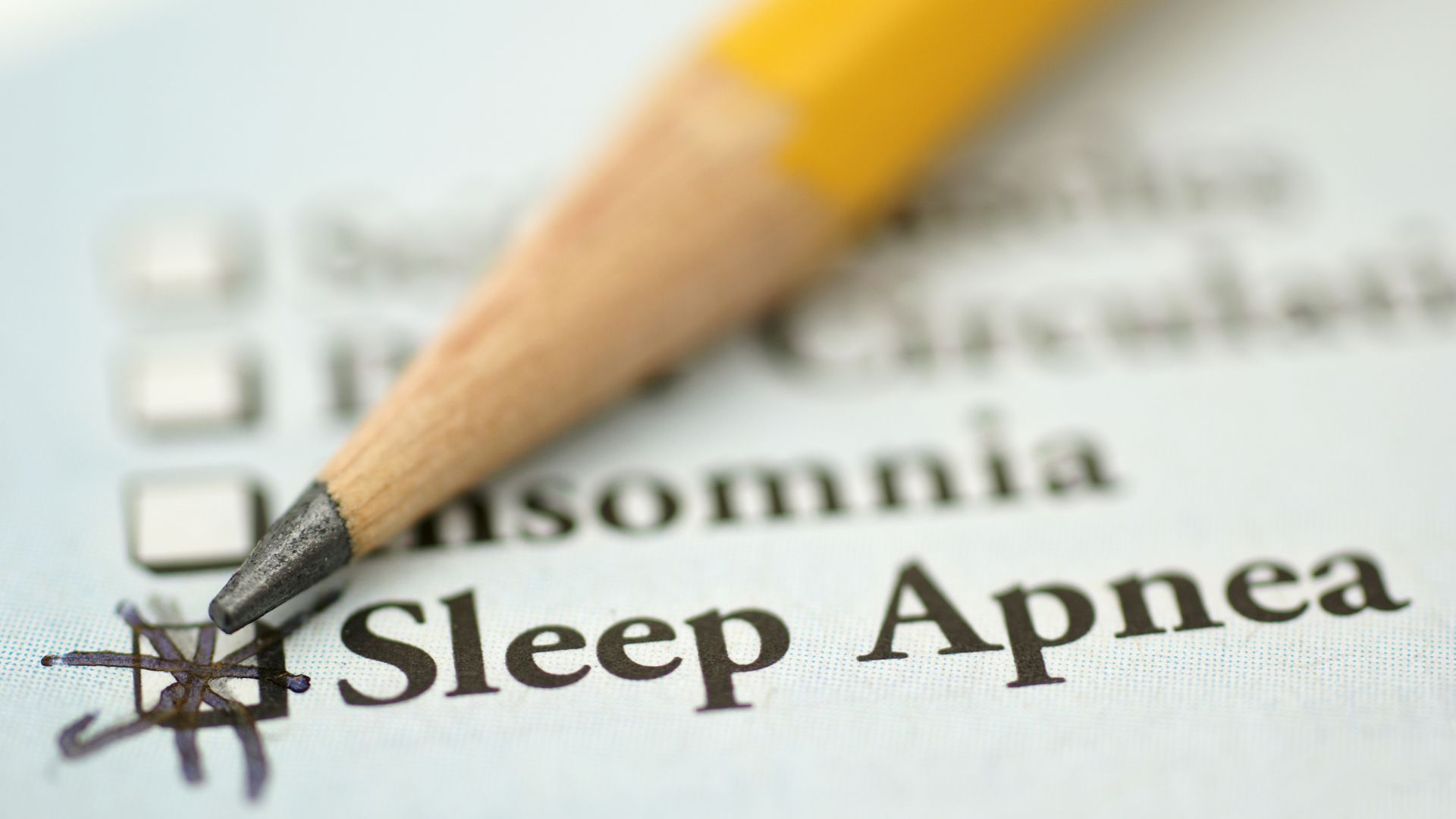
The American Academy of Sleep Medicine notes that consistently waking up unrefreshed can signal an untreated sleep disorder. Fore example, in obstructive sleep apnea the throat collapses again and again during sleep, breaking up your rest without you realizing it. More daylight and a better bedtime routine can’t fix a blocked airway.
The encouraging news is that sleep apnea responds well to treatment. Along with CPAP machines, many people now choose a custom oral appliance—a comfortable mouthpiece that gently holds the lower jaw forward to keep the airway open. It runs silently and travels easily, which makes it a natural fit for a busy holiday schedule.
Head Into the Holidays Feeling Rested and Ready
At Silent Night Therapy, Dr. Brown and our team can screen for the warning signs of sleep apnea and help you understand whether your tiredness comes from the season or from something more. Dr. Brown is trained in Dental Sleep Medicine and is a member of the American Academy of Dental Sleep Medicine. Moreover, lives with sleep apnea himself, so he knows how exhausting it can feel if left untreated. If a sleep breathing disorder plays a role, we will fit you with a custom oral appliance designed for comfort and lasting results.
Call (631) 983-2463 to schedule a consultation, and give yourself the gift of better sleep before the holidays arrive.
Related Blogs
1 October 2026

28 September 2026
15 September 2026


