


 Back To Blogs
TMJ Awareness Month: Why Jaw Pain Might Be a Sign of Sleep Issues
Posted By:

October 1, 2026

9:00 AM
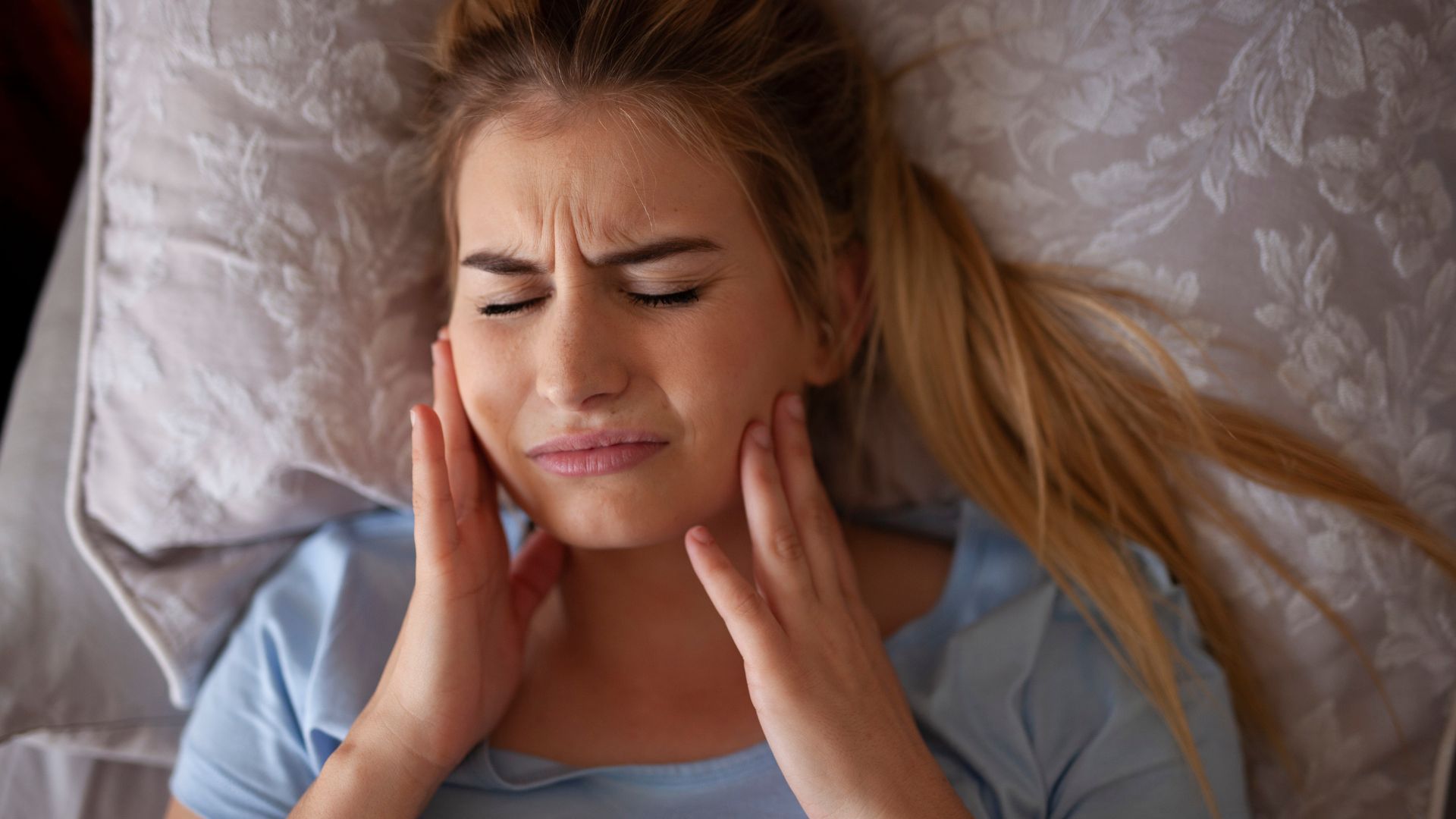
Every November, patient groups and health professionals mark TMJ Awareness Month, a time to shine a light on the millions of people who live with jaw pain. Most conversations about TMJ problems focus on stress, old injuries, or chewing habits. Those factors are real, but for many people, the source of a sore jaw lies in the airway.
Researchers have spent years studying the link between TMJ and sleep apnea, and their findings suggest that nighttime breathing problems can quietly wear down your jaw. If you wake up with a tight, aching jaw most mornings, your body might be trying to tell you something about how you breathe at night.
The Hidden Link Between Your Jaw Joint and Your Airway
Your temporomandibular joints sit just in front of your ears, where your lower jaw meets your skull. When these joints or the muscles around them stop working smoothly, doctors call it temporomandibular joint dysfunction, or TMD.
Your lower jaw also plays a big role in breathing. Your tongue attaches to it, so when your jaw drops back during sleep, your tongue can slide backward and crowd your throat. In people with obstructive sleep apnea, the throat collapses again and again throughout the night, cutting off air for seconds at a time.
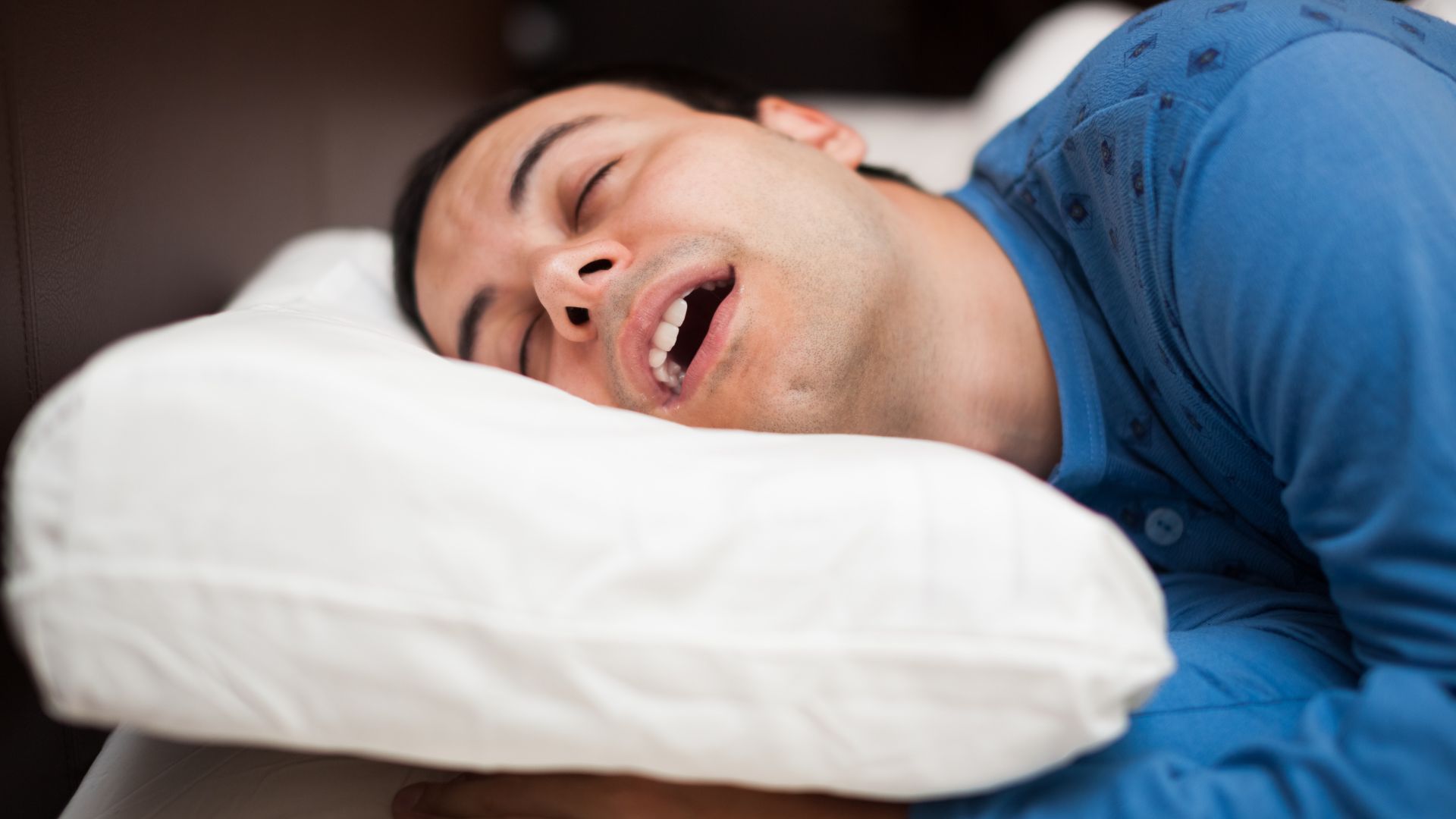
The TMJ sleep apnea connection shows up clearly in research. A large study called OPPERA found that people with signs of sleep apnea developed TMD at a higher rate than others and had more than three times the odds of chronic TMD. The breathing symptoms also tended to show up before the jaw problems began.
A related condition called upper airway resistance syndrome (UARS) narrows the airway without fully stopping breathing, so doctors can easily miss it. The link between UARS and TMJ pain follows the same basic pattern, since the body still has to work overtime to pull air through a tight space.
Is Nighttime Teeth Grinding a Reflex to Keep You Breathing?
Many people think of teeth grinding as a stress habit. Stress can play a part, but sleep researchers have noticed that grinding episodes often happen right after the airway narrows or closes. Here’s how the process may work:
-
Your throat muscles relax during sleep, and your airway narrows or collapses.
-
Your oxygen level dips, and your brain partly wakes up, usually without you knowing it.
-
Your jaw muscles clench or push your lower jaw forward, which helps open the airway.
-
Breathing starts again, and the cycle repeats, sometimes dozens of times an hour.
Scientists describe this grinding response as a possible way the body protects the airway. In other words, jaw clenching at night might work like a built-in emergency tool. It keeps you breathing, but your jaw muscles and joints never get the rest they need, and you feel the strain by morning.
This pattern sits at the heart of the bruxism sleep apnea puzzle. Some dentists use the term TMJ airway resistance to describe jaw strain that starts with an airway that is hard to breathe through. Night after night, the extra work can inflame the joint and wear down tooth enamel.
Why a Standard Night Guard May Not Solve the Problem
A flat night guard can cushion your teeth, but it doesn’t open the airway. If a breathing problem drives the grinding, a night guard only covers up the symptom. In one small pilot study, a standard upper splint increased breathing interruptions by more than 50 percent in half of the patients with sleep apnea.
Overlapping Symptoms: Morning Headaches, Facial Soreness, and Fatigue
Because TMD and sleep-disordered breathing share many warning signs, people often treat one without realizing they are experiencing both. A few common TMJ disorder symptoms that can also point to a breathing problem include:
-
Morning headaches – Pain in your temples can come from hours of clenching, from low oxygen levels, or from both.
-
Facial soreness – Your cheeks and jaw muscles may feel tired or bruised, as if you chewed gum all night.
-
Daytime fatigue – Frequent mini-wakeups break up your sleep, so you may feel exhausted even after a full night in bed.
-
Loud snoring or gasping – A bed partner may notice these sounds long before you notice any jaw trouble.
If several of these signs sound familiar, the question of jaw pain and sleep apnea deserves a closer look. Only a sleep study can confirm sleep apnea, but a dentist trained in sleep medicine can spot the clues and help you take the next step.
Dual-Action Solutions: How Oral Appliance Therapy Treats Both
CPAP machines push air through a mask to hold the airway open, but many patients find the mask, hose, and noise hard to live with. The American Academy of Sleep Medicine and the American Academy of Dental Sleep Medicine recommend oral appliance therapy for adults with obstructive sleep apnea who can’t tolerate CPAP or who prefer another option.
A custom oral appliance for sleep apnea looks a bit like a sports mouthguard, but it works very differently from a flat night guard. It gently holds your lower jaw slightly forward while you sleep, which keeps your tongue and soft tissues from blocking your throat. This approach offers the following benefits for people with jaw pain:
-
It supports steady breathing, so your brain no longer needs to trigger clenching to reopen your airway.
-
It gives your jaw muscles a chance to rest overnight.
-
It shields your teeth from grinding damage.
-
It runs silently and needs no electricity.
One recent study found that patients who used oral appliances had significantly fewer grinding episodes along with better breathing. This whole-picture approach reflects airway-centered dentistry, which treats a healthy airway as the foundation of a healthy mouth and jaw.
Take the First Step Toward Better Sleep This TMJ Awareness Month
At Silent Night Therapy, Dr. Brown has helped patients sleep and breathe better for decades. He trained in Dental Sleep Medicine and Oral Appliance Therapy and is a member of the American Academy of Dental Sleep Medicine. He also lives with sleep apnea himself, so he understands how draining the condition can feel. Our team will listen to your concerns, evaluate your jaw and airway together, and create a custom oral appliance that fits your needs. Just as we have since 1983, we will treat you like family every step of the way.
If jaw pain, headaches, or exhaustion greet you every morning, call (631) 983-2463 to schedule a consultation. This November, give your jaw and your airway the attention they deserve.
Related Blogs
28 September 2026

15 September 2026
1 September 2026


