


 Back To Blogs
Can Allergies Make Your Sleep Apnea Worse in the Summer?
Posted By:

July 1, 2026

4:20 PM

Life of all kinds thrives in the summer, leading to an abundance of airborne allergens. Grass and weed pollen are at their worst in the hottest months. Warm temperatures and high humidity promote the growth of mold spores. Dust mites are at their most active this time of year. These microscopic creatures trigger allergies when we inhale the proteins found in their decaying bodies and the waste they produce. And warm weather can cause animals to shed more, leading to more pet dander in the air.
Summer-related allergens aren’t just organic, either. Long days of bright sunlight worsen smog, which is caused by the reaction of solar radiation and hydrocarbons and oxides in the atmosphere. Smog can irritate the body’s airways, causing swelling and discomfort.
In the summer months, allergies and sleep apnea often go hand in hand. The good news is that fixing one can positively affect the other as well.
How Do Allergies Contribute to Sleep Apnea?
You may be wondering, “Do allergies cause sleep apnea?” The answer is no, but they can make sleep apnea worse. Studies have found a link between the severity of rhinitis and sleep apnea symptoms. Rhinitis is a swelling in the mucous membranes that can constrict airways — that is, allergy-related nasal congestion that can lead to airway blockage. This airway blockage can cause a sudden stop in breathing during sleep, similar to what happens in obstructive sleep apnea.
The Cycle of Allergies and Sleep Apnea: How Each Makes the Other Worse
Allergies trigger inflammation in the nasal passages and airways. When summer allergens like pollen, dust mites, mold, or pet dander enter the body, the immune system responds by releasing histamines and other chemicals. This reaction can cause:
-
Nasal congestion
-
Swelling of the nasal tissues
-
Increased mucus production
-
Sneezing and postnasal drip
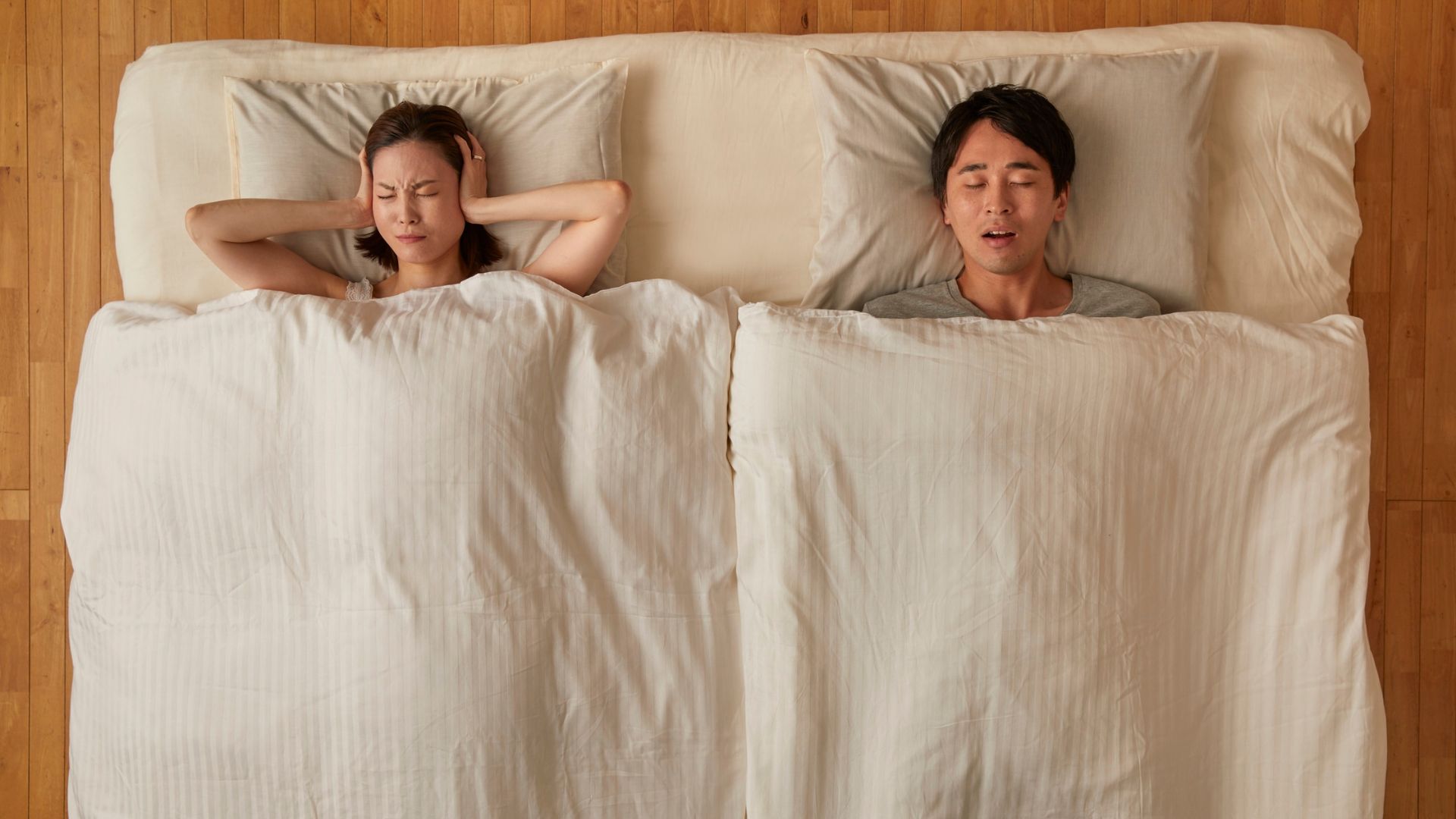
The resulting nasal congestion can significantly worsen sleep apnea symptoms. Breathing through the nose helps maintain proper airflow during sleep. When the nose becomes blocked, the body responds by breathing through the mouth, which can lead to airway collapse and make sleep apnea episodes more frequent.
Research has shown that nasal obstruction increases resistance in the upper airway, making it harder to maintain normal breathing throughout the night. As a result, allergy sufferers may experience:
-
Increased snoring
-
Lower oxygen levels during sleep
-
More nighttime awakenings
-
More frequent apnea events
Even mild allergy symptoms can negatively affect sleep quality for someone already dealing with sleep apnea.
Common Allergy Symptoms That Worsen Sleep Apnea at Night
Here are some common signs that allergies are worsening sleep apnea symptoms:
-
Nasal congestion, which restricts airflow and forces mouth breathing during sleep
-
Postnasal drip, which can irritate the throat and trigger nighttime coughing
-
Sinus pressure and inflammation that make breathing less comfortable during sleep
-
Excess mucus production that contributes to airway obstruction and breathing difficulties
-
Frequent sneezing that disrupts sleep and makes it harder to achieve restorative rest
-
Itchy or irritated throat caused by inflammation that can increase airway sensitivity
-
Nighttime coughing triggered by mucus drainage or throat irritation
-
Dry mouth from allergy-related mouth breathing, which may worsen snoring and airway collapse
-
Itchy, watery eyes that can interfere with falling asleep and staying asleep
How to Manage Allergies to Improve Your Sleep Apnea
Now that you know about the connection between allergies and obstructive sleep apnea, it’s time to find the solution to their symptoms. Allergies can cause nasal congestion and inflammation, narrowing the airways and making it harder to breathe during sleep. Reducing exposure to allergens can alleviate breathing-related symptoms. Here are a few ways to do that:
-
Use air purifiers at home to remove allergens from the air
-
Wash bedding regularly to cut down on buildup
-
Keep your pets out of the bedroom, or commit to brushing and grooming them regularly
-
Monitor pollen levels and take antihistamines or other medications as recommended by their healthcare provider
Because nasal congestion can worsen sleep apnea, it’s especially important to ensure good nasal airflow. One way to do this is by treating the underlying sleep apnea itself. Many patients with mild to moderate obstructive sleep apnea benefit from oral appliance therapy. These custom-made devices gently reposition the lower jaw to help keep the airway open during sleep. Unlike CPAP therapy, oral appliances do not rely on airflow or a mask. As such, they are a more comfortable option for some individuals who experience allergy-related nasal congestion.
Want to find out if this is the right option for you? Then call (631) 983-2463 or fill out our online contact form to get a complimentary airway health consultation from Silent Night Airway Health. We’ll review your symptoms and health history to determine if an oral appliance could alleviate your sleep apnea symptoms effectively.
Related Posts:
Why Sleep Apnea Feels Worse in Hot Weather and What You Can Do
Related Blogs
22 October 2026


11 October 2026
1 October 2026


