


 Back To Blogs
Why Sleep Apnea Feels Worse in Hot Weather and What You Can Do
Posted By:

June 9, 2026

1:45 PM
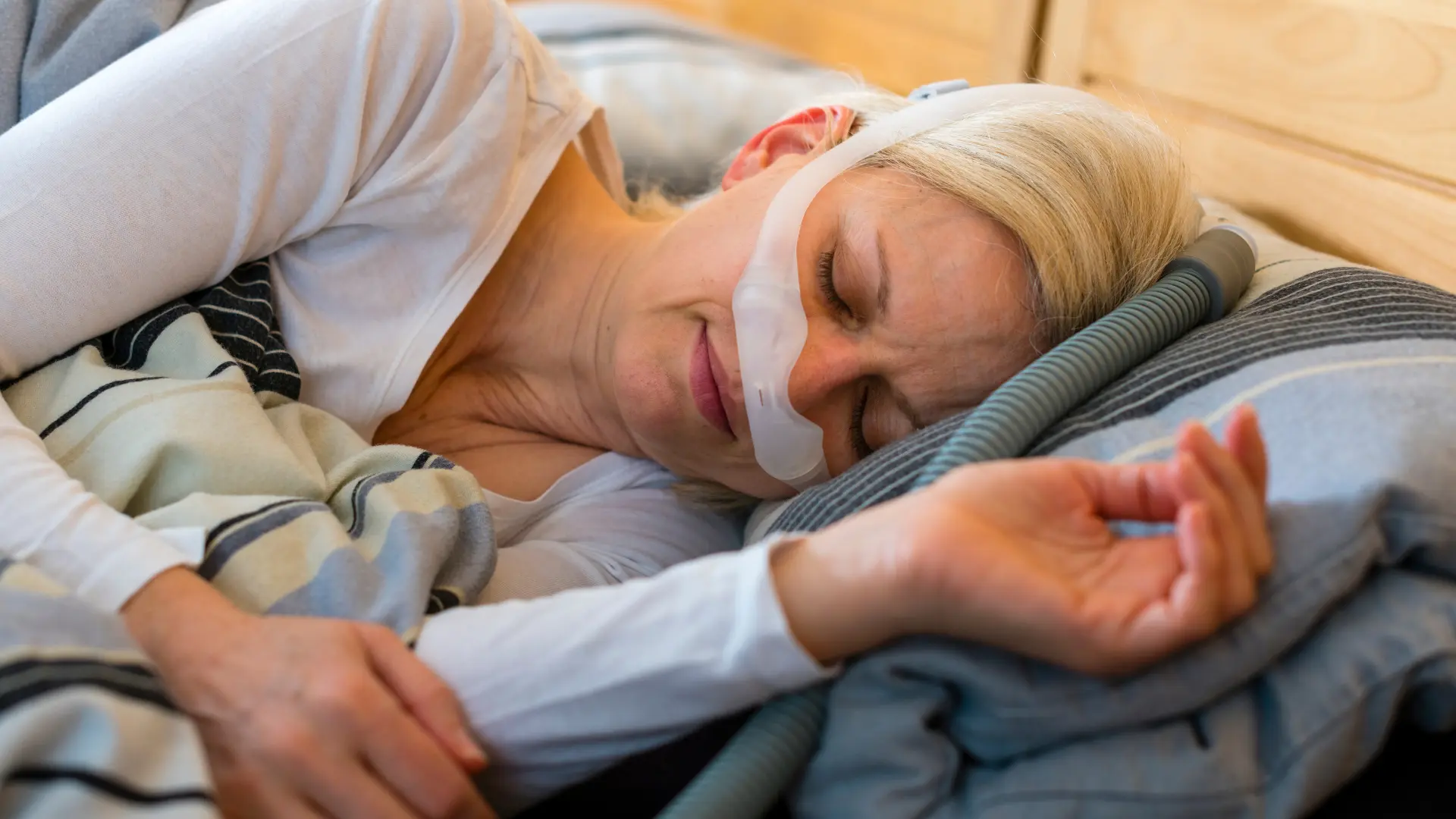
If you have sleep apnea and notice that your symptoms seem to flare up during the summer, you are not imagining things. Rising temperatures and higher humidity can make it harder to breathe well at night. Research published in Nature Communications found that on extremely hot nights, the likelihood of obstructive sleep apnea occurring increased by 45 percent compared to cooler nights, making summer a season worth paying attention to if you deal with this condition.
Why Sleep Apnea Symptoms Can Feel Worse in Summer
Heat disrupts sleep in several ways. When the temperature in your bedroom stays elevated overnight, your body struggles to cool down enough to reach the deeper stages of sleep that are more restorative for your system. That means you spend more time in lighter sleep stages, where breathing interruptions are more likely to occur.
Dehydration also plays a role. Hot weather naturally causes you to lose more fluid through sweat, and when your body becomes even mildly dehydrated, the tissues in your airway can dry out and become more prone to collapse. A European study across 17 countries found that during summer heatwaves, moderate-to-severe sleep apnea cases rose by 13 percent.
Summer also tends to encourage later bedtimes, more alcohol consumption at social gatherings, and travel that disrupts regular sleep schedules. All of these habits can make existing sleep apnea worse.
Summer Heat, Night Sweats, and Sleep Fragmentation
Waking up drenched in sweat during a hot night is uncomfortable for anyone. But for people with sleep apnea, night sweats and frequent awakenings create a cycle that compounds the problem. Each time you wake up, your body has to restart the process of falling into deeper sleep, and each restart is another opportunity for the airway to partially or fully close.
Sleeping in a room that stays too warm can also cause people to toss and turn more, shifting into positions that increase the risk of airway obstruction. Back sleeping, in particular, tends to worsen apnea, and people who move around due to discomfort may end up on their backs without realizing it.
Allergies and Congestion as Summer Triggers for Sleep Apnea Symptoms
Summer brings more than just heat. Many people experience increased nasal congestion as pollen counts rise during the warmer months. When your nasal passages swell or become blocked, you are more likely to breathe through your mouth at night, thereby increasing that chance of airway collapse.
Air conditioning can contribute, too. While it helps cool the room, it also dries out the air, which can leave nasal passages and the throat feeling parched. This dryness can lead to more snoring, a sore throat in the morning, and a general worsening of sleep apnea symptoms.
People who use CPAP machines may find summer especially frustrating. The combination of heat, humidity, and nasal congestion can make wearing a mask feel suffocating. As a result, some users end up removing their mask partway through the night. This means their apnea is untreated during the hours when symptoms tend to be most severe.
Practical Tips to Manage Sleep Apnea Symptoms During Summer
You do not have to dread summer. A few changes to your routine and sleeping environment can help you manage symptoms more effectively:
-
Keep your bedroom cool – Aim for a temperature between 65 and 68 degrees Fahrenheit, and use fans or air conditioning to maintain airflow throughout the night.
-
Stay hydrated throughout the day – Drinking enough water helps keep airway tissues moist, but try to taper off close to bedtime so you are not waking up for bathroom trips.
-
Address allergies proactively – Talk to your doctor about antihistamines or nasal sprays that can reduce congestion before it disrupts your sleep.
-
Stick to a consistent bedtime – Longer summer days make it tempting to stay up late, but keeping a regular sleep schedule helps your body maintain a healthier breathing pattern overnight.
-
Limit alcohol in the evening – Alcohol relaxes the muscles in the throat, making airway collapse more likely during sleep.
If your current treatment feels harder to manage in the heat, you can also consider switching to a custom oral appliance. Unlike a CPAP machine, an oral appliance produces no warm air, requires no mask, and stays comfortable even on the hottest nights. It works by gently repositioning the jaw to keep the airway open, giving you effective treatment without adding to your discomfort.
Silent Night Therapy can help you find relief this summer and all year long. Call (631) 983-2463 to schedule a complimentary consultation and find out whether a custom oral appliance is right for you.
Related Blogs
28 September 2026

15 September 2026
1 September 2026


