


 Back To Blogs
Men’s Health Month: Why Men Are More Likely to Ignore Sleep Apnea Symptoms
Posted By:

June 22, 2026

3:55 PM
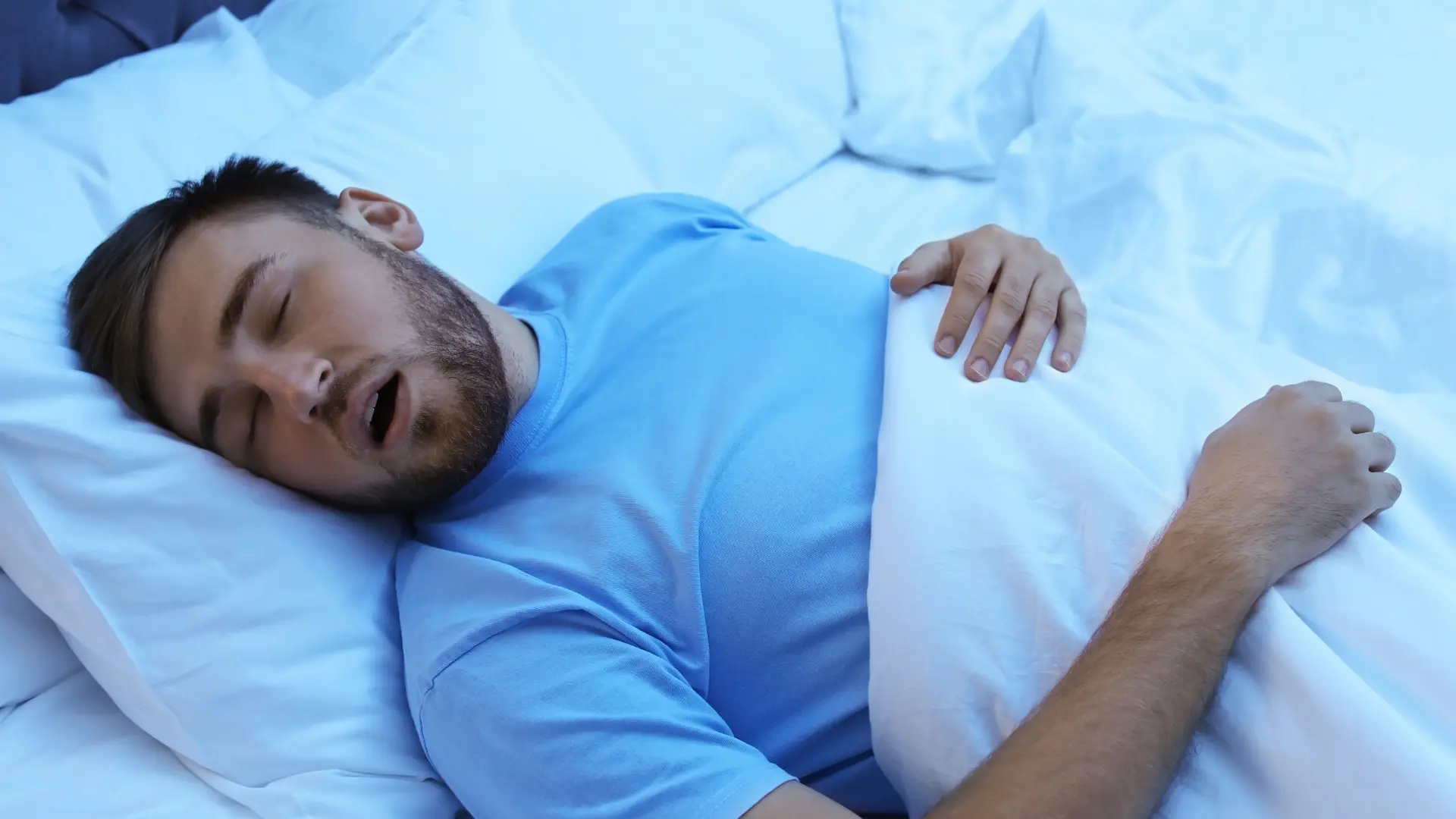
June marks Men’s Health Month, and it brings attention to a condition that millions of men live with but rarely address: obstructive sleep apnea (OSA). Men develop sleep apnea at significantly higher rates than women, and research suggests that biological factors such as airway length and upper airway collapsibility contribute to that gap. But the bigger problem often has nothing to do with biology. Many men simply brush off the warning signs, chalk them up to stress, or avoid discussing them altogether.
Why Men Often Dismiss Sleep Apnea Symptoms
Sleep apnea symptoms in men can look a lot like the side effects of a busy, demanding life. Symptoms such as loud snoring at night and trouble concentrating during the day feel all too easy to explain away. Many men assume they just need more sleep, less caffeine, or a better mattress.
While women tend to report symptoms like insomnia, anxiety, and fatigue, men more commonly experience the hallmark signs of OSA—such as heavy snoring, gasping, and choking during sleep. Even though these symptoms are more obvious, men are also more likely to normalize them. A man who snores loudly every night may joke about it rather than see it as a red flag.
Common Sleep Apnea Signs Men Explain Away
Part of the reason male sleep apnea symptoms go unaddressed is that they overlap with everyday complaints.
-
Waking up feeling tired despite a full night of sleep – This often gets blamed on a poor mattress or staying up too late, but it can signal repeated breathing interruptions overnight.
-
Falling asleep on the couch in the evening – Many men treat this as harmless relaxation, but regularly dozing off during downtime can point to excessive daytime sleepiness.
-
Mood changes and irritability – Sleep deprivation caused by untreated apnea can make people short-tempered, yet men often attribute this to work pressure or stress.
-
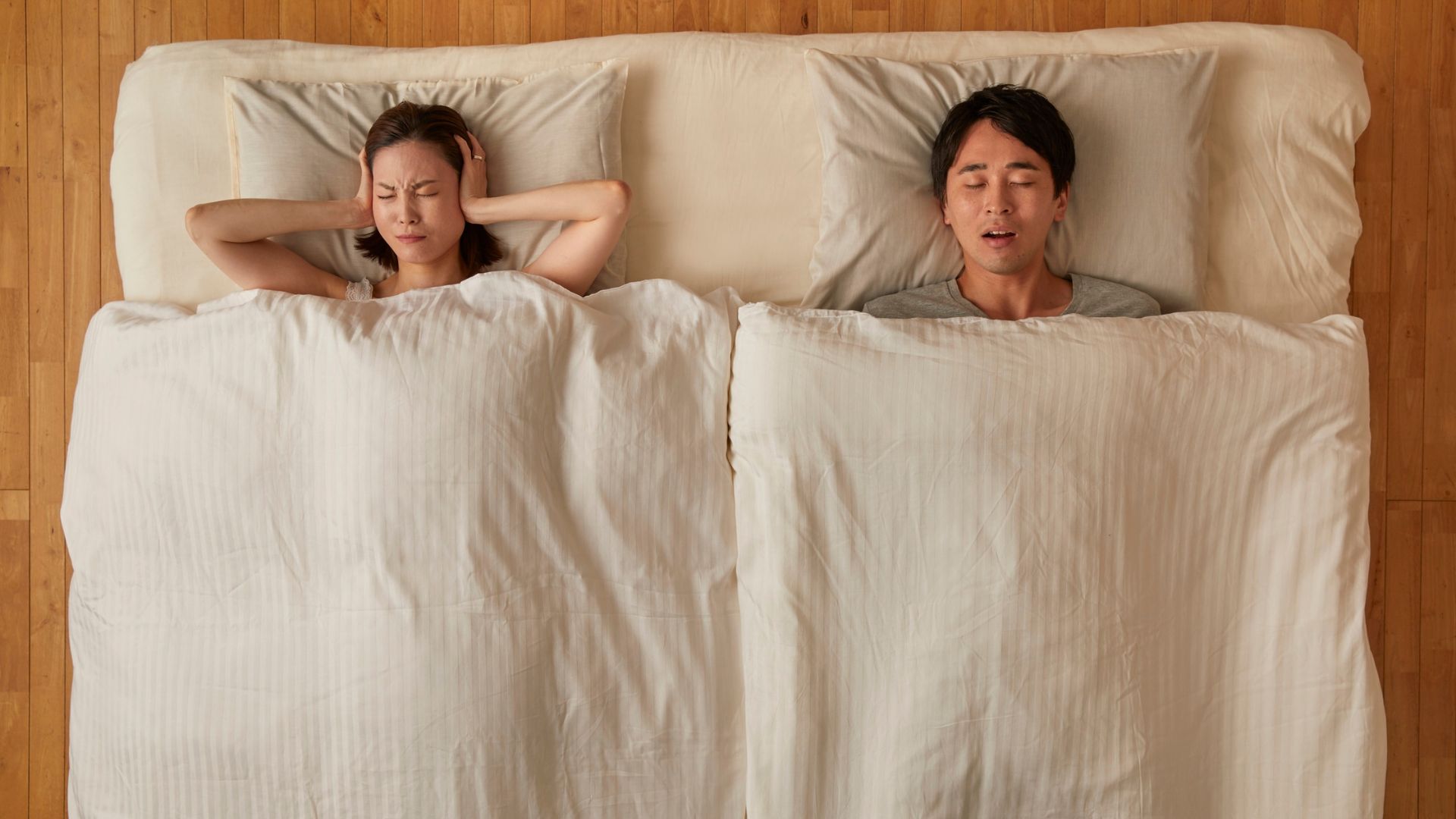
Partners noticing pauses in breathing or gasping – Bed partners frequently notice these episodes before the person experiencing them does, but many couples treat it as normal snoring.
When these signs pile up over time, they can lead to serious health complications, including high blood pressure, heart disease, and difficulty focusing during the day.
Social and Cultural Reasons Men Avoid Getting Help
For many men, admitting that something feels wrong can feel uncomfortable. Cultural expectations around toughness and self-reliance discourage men from bringing up health concerns, especially those tied to sleep. For example, fatigue often gets worn as a badge of honor that is a result of working hard. Moreover, men will often avoid mentioning symptoms to a doctor due to an embarrassment about sleep problems or not wanting to seem weak.
There is also a fear factor tied to treatment. Many men associate sleep apnea with the CPAP machine, and the thought of wearing a mask every night feels overwhelming or unappealing. That mental image alone can keep someone from scheduling a sleep evaluation—even when the symptoms are affecting their quality of life.
Practical Barriers That Delay Testing and Treatment
Beyond the emotional and cultural hurdles, practical obstacles also get in the way. Busy work schedules make it hard to book medical appointments. Some men lack a primary care provider altogether. Others might not realize that a home sleep test is an option and assume testing requires an overnight stay at a sleep lab.
When men do receive a diagnosis, the idea of committing to a bulky machine every night can feel like more trouble than it is worth.
How Men and Their Partners Can Take Action Early
The good news is that recognizing the problem is the hardest part. Once men understand that sleep apnea is a medical condition and not a personal failing, the path to better sleep becomes much clearer. Partners can play a key role by sharing what they observe at night—whether that means pointing out loud snoring, gasping, or prolonged breathing pauses.
If you are hesitant about CPAP therapy, it might come as a relief to know that it is not the only option. Custom oral appliances offer a quieter, more comfortable alternative that many people prefer. These small, portable devices gently reposition the jaw to keep the airway open during sleep, and they require no mask, no hose, and no electricity.
If you or someone you care about has been putting off a conversation about sleep, this month is a great time to start. Silent Night Airway Health can help you explore whether a custom oral appliance is right for you. We have been helping people improve their sleep-related health since 1983, and we are ready to help you too. Call us at (631) 983-2463 to learn more.
Related Blogs
22 October 2026


11 October 2026
1 October 2026


