

 Back To Blogs
Alcohol and Sleep Apnea: Why That Nightcap Makes Snoring Worse for Babylon Sleepers
Posted By:

October 22, 2026

9:00 AM
Long Island offers no shortage of ways to unwind. A glass of wine with dinner in Babylon Village, a beer after a round of golf, or a cocktail at a backyard party can feel like the perfect end to the day.
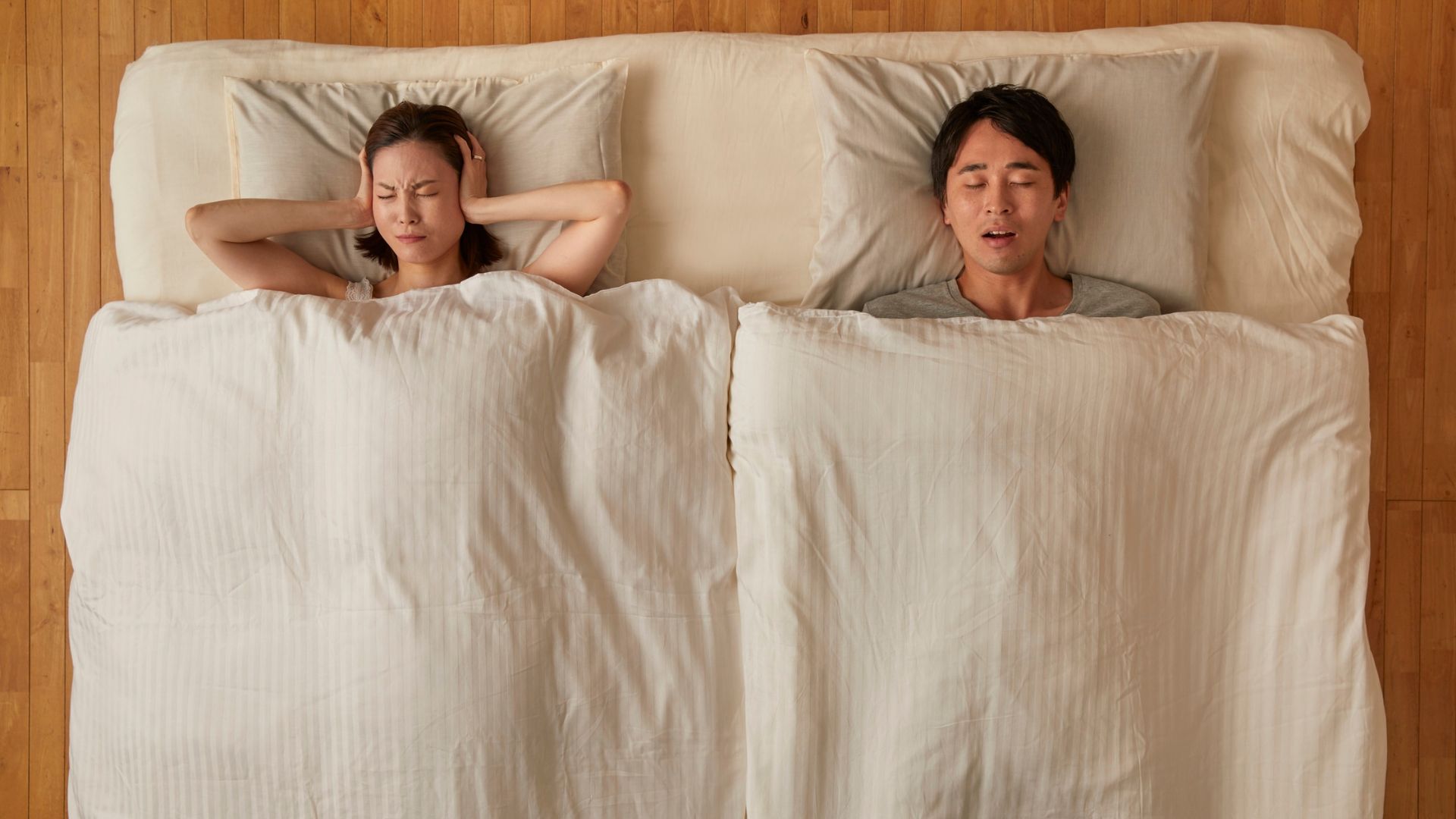
But if you snore or live with sleep apnea, that nightcap might actually have negative effects on your sleep. Research on alcohol and sleep apnea shows that evening drinks make your airway more likely to collapse, making nighttime breathing problems more severe.
What Alcohol Does to Your Airway Muscles While You Sleep
Your windpipe has no bones holding it open. Instead, a group of muscles called upper airway dilators keeps it clear. The largest of these, the genioglossus, pulls your tongue forward so it doesn’t fall back and block your throat. These muscles naturally relax a little during sleep, so most people’s airways narrow slightly at night.
Alcohol acts as a central nervous system depressant, which means it slows the signals between your brain and your body. Researchers believe this effect reaches the muscles that hold your airway open. Alcohol airway relaxation lets the soft tissues in your throat sag more than usual, so your airway can partly or fully collapse.
For someone with healthy breathing, this may mean nothing more than a noisy night. But for someone with obstructive sleep apnea (OSA), it can turn a manageable night into a rough one. That’s why alcohol ranks among the most common obstructive sleep apnea triggers. In fact, one analysis of 21 studies linked heavier drinking to a higher risk of sleep apnea of about 25 percent.
The link between a nightcap and snoring works the same way. As the tissues in your throat loosen, they vibrate when air rushes past them. Snoring after drinking can affect people who rarely snore otherwise, and it tends to get louder in people who already do. A 2020 research review found that alcohol worsened snoring and lowered nighttime oxygen levels in people prone to snoring and sleep apnea.
The Nightcap Paradox: Falling Asleep Fast vs. Fragmented Sleep Quality
Alcohol makes many people drowsy, but the trouble shows up later in the night.
Your sleep moves through a series of stages, including light sleep, deep sleep, and dream-filled REM sleep. Experts call this pattern your sleep architecture. Sleep architecture alcohol studies show that drinking throws this pattern off balance. A nightcap might help you fall asleep faster, but as your body processes the alcohol, your sleep often gets lighter and more broken up. You may wake more often in the second half of the night, toss and turn, or rise early feeling foggy.
So even if you spend eight hours in bed, you may not get eight hours of truly restful sleep. For people with sleep apnea, this broken sleep piles on top of the breathing interruptions they already face. The result is a groggy, headachy morning that no amount of coffee can fully fix.
Why Evening Drinks Increase the Severity and Duration of Apnea Events
Doctors track two main kinds of breathing problems during sleep:
-
Apneas – These happen when your airway closes completely and breathing stops for at least 10 seconds.
-
Hypopneas – These happen when your airway narrows partway and your breathing turns shallow for at least 10 seconds.
Normally, when your oxygen level drops, your brain wakes you just enough to tighten your throat muscles and restart normal breathing. You usually don’t remember these tiny wake-ups, but they act as a built-in safety system.
Alcohol weakens that system. According to a recent national study, alcohol dulls the brain’s wake-up response, so breathing pauses last longer before your body reacts. Longer pauses lead to deeper drops in blood oxygen.
This chain reaction answers a common question: Does alcohol make sleep apnea worse? For most people with OSA, the answer is yes. Research on apnea and hypopnea events, alcohol intake, and oxygen levels shows that evening drinks can make breathing pauses more frequent, longer, and more severe.
Smart Evening Habits for Better Sleep Health in Long Island
You don’t have to skip every glass of wine at a summer barbecue or holiday gathering. Instead, focus on when and how much you drink. Getting your sleep apnea alcohol timing right can protect your airway without taking the fun out of your evening.
-
Set a cutoff time – Try to finish your last drink three to four hours before bed, so your body has time to process most of the alcohol before you fall asleep.
-
Keep portions modest – The more you drink, the stronger the effect on your airway, so one drink will affect your breathing far less than three.
-
Alternate with water – A glass of water between drinks slows your pace and helps you stay hydrated.
-
Sleep on your side – Back sleeping lets your tongue fall toward your throat, while side sleeping can ease that pressure.
-
Stick with your treatment – If you use a CPAP machine or an oral appliance, wear it every night, including nights when you’ve had a drink.
If a bed partner notices that you gasp, choke, or stop breathing—or if you wake up exhausted after a full night—talk with a doctor about a sleep evaluation.
Breathe Easier With Oral Appliance Therapy in Babylon
If a nightcap leaves you snoring, gasping, or dragging through the next day, Silent Night Airway Health can help. Dr. Brown, a sleep dentist Babylon NY residents have trusted for decades, has training in Dental Sleep Medicine and Oral Appliance Therapy. He also lives with sleep apnea himself, so he understands how much better life feels after a truly restful night.
We offer oral appliance therapy Babylon patients can count on as a quiet, comfortable alternative to CPAP. Our team will evaluate your needs and create a custom oral appliance that gently holds your jaw forward to keep your airway open—with no mask or machine required. Call (631) 983-2463 today to schedule a consultation and start waking up refreshed.
Related Blogs
11 October 2026

1 October 2026
28 September 2026


