


 Back To Blogs
Sleep Apnea in Older Adults: Why Screening Matters After 65
Posted By:

September 1, 2026

9:00 AM
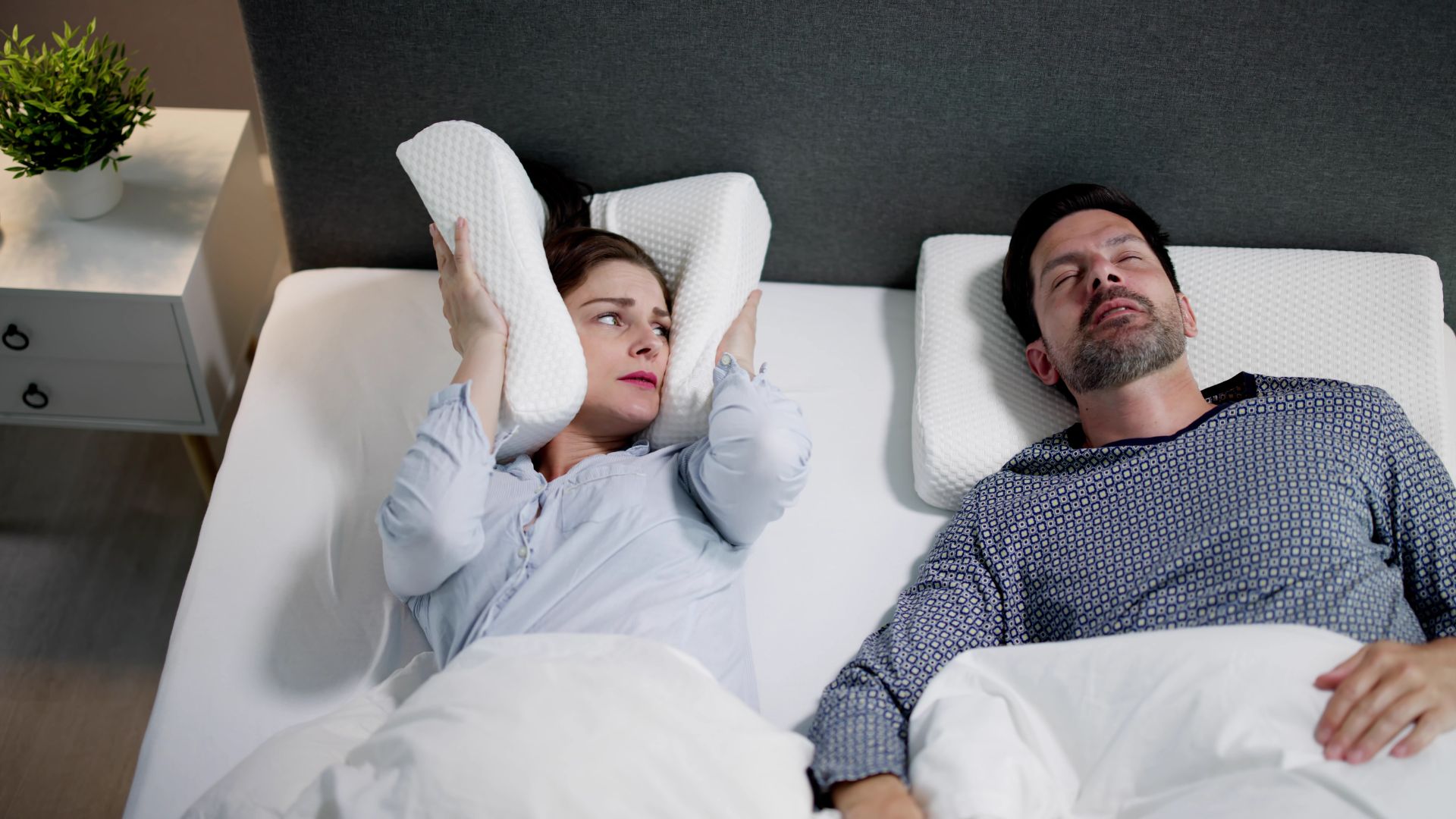
Loud snoring and daytime tiredness might seem like normal parts of the aging process. However, these symptoms might actually indicate sleep apnea—a potentially life-threatening condition that grows more common with age. Sleep apnea in older adults affects nearly half of seniors, and the risk becomes even more pronounced after age 80. If left untreated, it can raise your risk of heart disease, memory problems, and dangerous falls. Screening after 65 helps you catch the condition early.
How Sleep Apnea Looks Different in Older Adults
Sleep Apnea symptoms in older adults seldom match the pattern seen in younger patients. Younger adults with sleep apnea often report loud snoring and gasping for air. Older adults might instead notice:
-
Persistent fatigue – You feel tired even after a full night in bed, and rest never restores your energy.
-
Frequent nighttime urination – Sleep apnea and frequent nighttime urination often occur together, since disrupted breathing can trigger extra bathroom trips.
-
Memory or concentration trouble – Foggy thinking can signal poor sleep quality rather than normal aging.
-
Morning headaches – Low oxygen levels overnight can leave you with a dull headache upon waking.
Health Risks Linked to Untreated Sleep Apnea After 65
Untreated sleep apnea does more than simply disrupt your sleep. Over time, it can affect nearly every system in your body.
-
Heart disease – Repeated drops in oxygen strain the heart and raise your risk of heart attack and stroke.
-
High blood pressure – Frequent breathing pauses trigger stress hormones that push blood pressure higher.
-
Cognitive decline – Sleep apnea and dementia risk are closely linked, and some research shows the risk may more than double.
-
Increased fall risk – Daytime sleepiness and frequent nighttime bathroom trips both raise your chances of falling.
Intermittent hypoxemia (the medical term for repeated oxygen drops during sleep) drives many of these risks. Untreated sleep apnea ranks among the most common—and most treatable—causes of daytime sleepiness in older adults.
Screening Options Compared: Questionnaires, Home Tests and Sleep Studies
How is sleep apnea diagnosed? Doctors typically start with a quick screening tool before moving to more detailed testing.
-
Questionnaires – The STOP-Bang questionnaire asks eight yes-or-no questions about snoring, tiredness, and other risk factors, while the Epworth Sleepiness Scale rates your odds of dozing off during the day.
-
Home sleep apnea tests – This portable device tracks your airflow, oxygen levels, and breathing effort while you sleep in your own bed.
-
Sleep studies – Also called polysomnography, this overnight test uses sensors to measure your brain waves, heart rate, and oxygen levels.
Each tool calculates an apnea-hypopnea index, a score that counts breathing pauses or slow-down events per hour. Your provider uses this number, along with your symptoms, to confirm a diagnosis.
How to Talk to Your Doctor or Dentist About Getting Screened
Many people wait years before bringing up their sleep concerns. Don’t wait until symptoms become severe to start the conversation.
Before your appointment, write down your symptoms, including snoring, daytime tiredness, and nighttime bathroom trips. If you have a bed partner, ask them whether they have noticed pauses in your breathing.
If you use CPAP therapy but struggle with the mask or noise, ask about CPAP alternatives for seniors. Oral appliances offer one option for people with mild to moderate obstructive sleep apnea who want an easier nightly routine.
Contact Silent Night Airway Health Today
Sleep apnea becomes more common with age, but it doesn’t have to control your health or your quality of life. Screening after 65 helps you and your doctor protect your heart, memory, and safety.
At Silent Night Airway Health, Dr. Clifford Brown and his team have spent decades helping patients get the screening and answers they need for better sleep. Dr. Brown lives with sleep apnea himself. He understands the toll this condition takes and stays passionate about finding the right treatment for every patient. If you’re ready to learn more, reach out to our team today to schedule a consultation.
Frequently Asked Questions
Here are some of the most common questions we receive about sleep apnea from older adults.
How common is sleep apnea in seniors?
Research shows that up to half of adults over 65 show at least some signs of the condition.
Is snoring normal as you age?
Not always. Loud or irregular snoring combined with breathing pauses deserves a closer look.
Does sleep apnea get worse with age?
It often does. This is because aging changes muscle tone and airway structure.
Can a dentist treat sleep apnea?
Yes, many dentists trained in sleep medicine can screen for symptoms and offer treatment. An oral appliance for sleep apnea is a custom-fitted device, worn like a mouthguard, that keeps your airway open overnight. A mandibular advancement device works by gently repositioning your jaw during sleep.
Related Blogs
22 October 2026


11 October 2026
1 October 2026


