


 Back To Blogs
Do Allergies Make Sleep Apnea Worse in the Summer Months?
Posted By:

August 17, 2026

9:00 AM
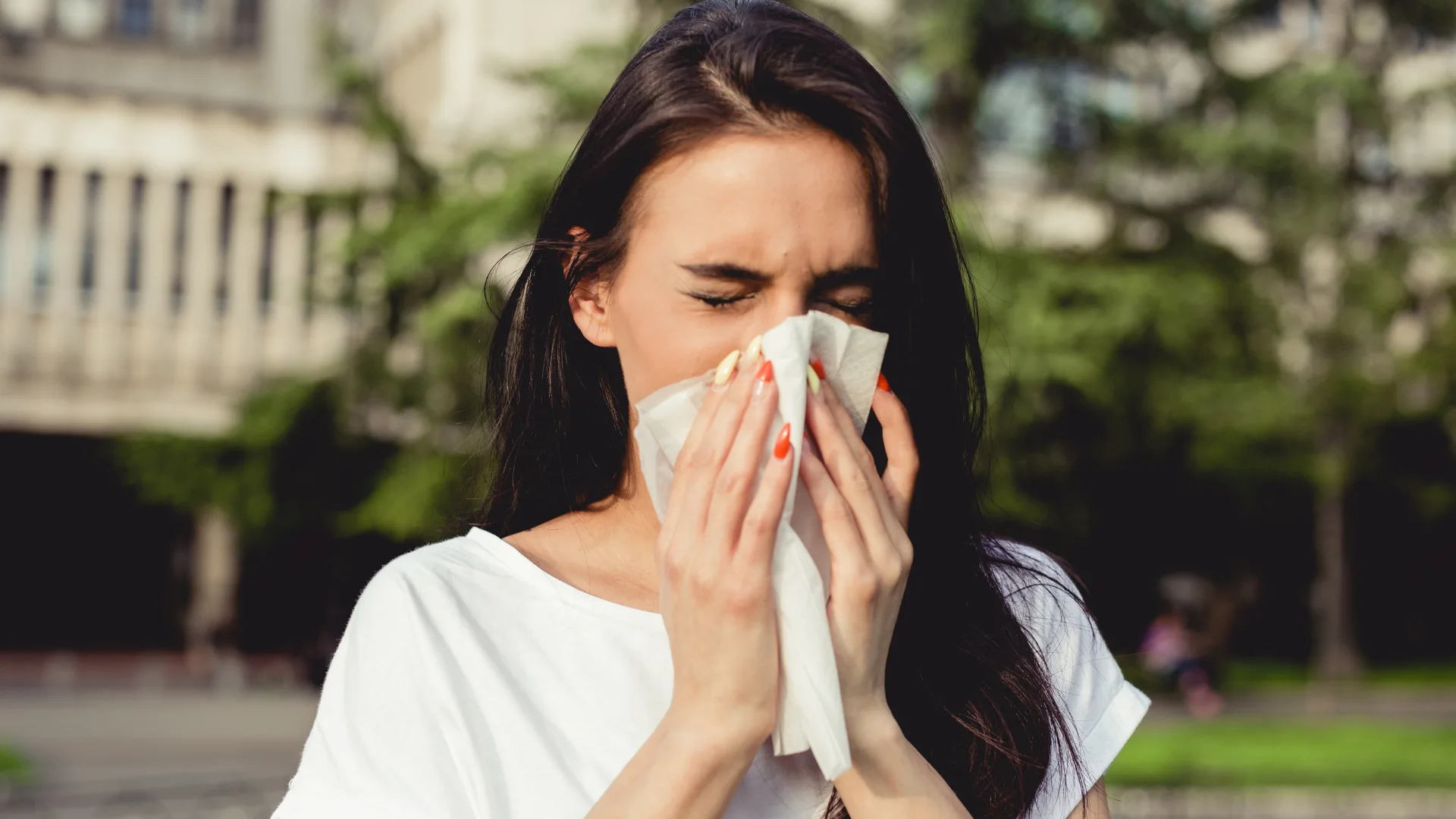
Summertime brings longer days, warmer nights, and, for many people, an unwelcome surge in seasonal allergy symptoms. Blooming plants and higher pollen counts can easily turn what should be a restful sleep routine into a nightly struggle. And if you already struggle with sleep apnea, summer allergies can make the condition considerably harder to manage. Here’s what you need to know about the connection between allergies and sleep apnea so you can better protect your rest, even during peak allergy season.
How Allergies and Sleep Apnea Are Connected
Allergic rhinitis and sleep quality are closely interrelated. When common allergens like pollen, dust, or mold trigger a reaction, the body responds with inflammation, and that inflammation often targets the nasal passages and airways first.
Sinus inflammation and swollen nasal tissue can narrow the space that air needs to travel to your lungs during sleep. This narrowing may force you to breathe through your mouth instead of your nose, which can create a vicious cycle. Mouth breathing from allergies can actually worsen airway collapse, which is a primary driver of obstructive sleep apnea.
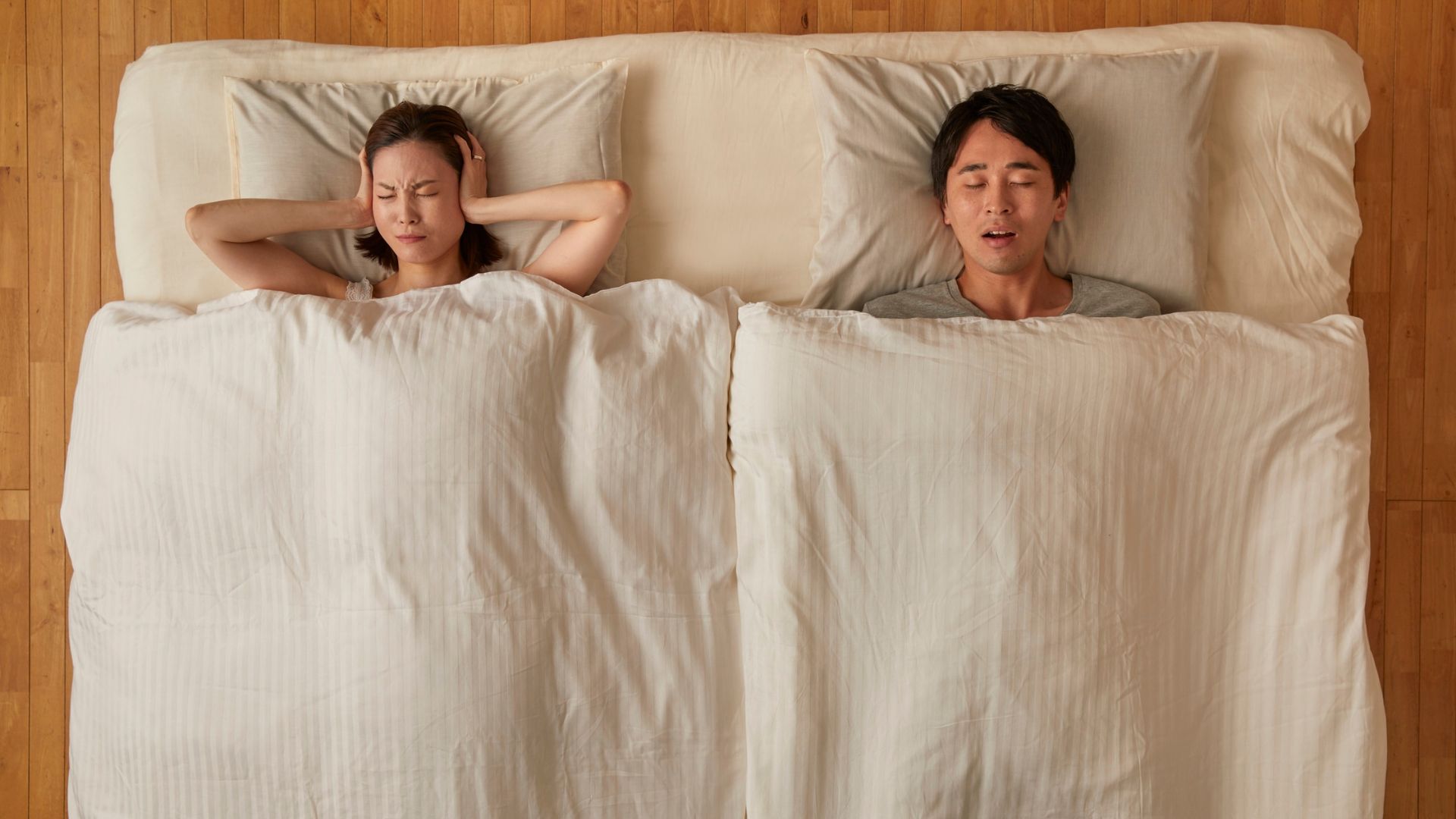
Nasal congestion at night also tends to increase snoring. Congested nasal passages force air through a smaller space, and that added resistance can create the kind of internal vibrations responsible for snoring sounds. For those with existing sleep apnea, added resistance can also mean more frequent breathing interruptions throughout the night.
Do allergies cause sleep apnea on their own? Not typically. Sleep apnea usually stems from physical factors like airway structure and muscle tone. However, allergies can be a sleep apnea trigger, especially for those who are already at risk. For example, if you have a deviated septum and sleep apnea, the two issues often compound one another. Add seasonal inflammation to the mix, and breathing at night can get noticeably harder during the summer months.
Why Summer Allergies Can Make Sleep Apnea Worse
Summer allergies tend to hit most people harder than allergies during other seasons for a few key reasons. Warmer temperatures speed up plant growth and increase pollen counts. Humidity levels often rise during the summer, too, which can create ideal conditions for mold spores to spread through the air.
Higher pollen counts and sleep disruption often go hand in hand. As pollen levels rise, airway inflammation increases, and nasal passages swell. This added swelling worsens summer allergies and makes breathing at night a struggle for many allergy sufferers.
Air conditioning often adds another layer to the problem. While many of us rely on AC units to keep our homes cool, they can also circulate dust, mold, and pet dander if filters go unchanged. Additionally, while closed windows can keep pollen out, stagnant indoor air can trap allergens that irritate airways further.
Many patients report that allergy season sleep problems intensify existing sleep apnea symptoms. Increased snoring, more frequent awakenings, and daytime fatigue often follow. For those who use CPAP machines, congestion can make the mask harder to tolerate, which sometimes leads people to skip treatment altogether on the nights they need it most.
How to Manage Allergies and Sleep Apnea Together
Managing both allergies and sleep apnea requires a layered approach. A few consistent habits can make a real difference in airway comfort and sleep quality. Consider these strategies during allergy season:
- Track Local Pollen Counts: Keep windows closed and limit outdoor time when pollen levels peak.
- Rinse Your Sinuses: A saline rinse before bed can clear allergens and reduce nasal congestion.
- Change AC Filters Often: Clean filters reduce indoor allergens that circulate through your home.
- Talk to Your Doctor About Antihistamines: Antihistamines and sleep don’t always mix well, so ask about non-drowsy options and correct timing for nighttime relief.
- Elevate Your Head During Sleep: Sleeping with your head slightly elevated can ease nasal drainage and pressure.
These steps can ease allergy-induced sinus pressure, but they won’t resolve sleep apnea on their own. Sleep apnea requires a proper diagnosis and a treatment plan built around your specific airway needs. That’s where Silent Night Airway Health comes in. Contact us today to ask about our custom oral appliances for sleep apnea, which many patients find are an effective and comfortable alternative to CPAP machines.
Breathe Easier, Sleep Better, All Year Long
Allergies and sleep apnea can create a frustrating cycle, especially during peak pollen season. The good news is that you don’t have to just push through restless nights until fall arrives. Silent Night Airway Health can help you get to the bottom of your symptoms and find a comfortable, effective solution.
If congestion makes your CPAP mask unbearable, ask us about a custom oral appliance made for easier, uninterrupted airflow. Click here to arrange a simple, at-home sleep test, or reach our team directly at (631) 983-2463 to start breathing easier tonight.
Related Blogs
22 October 2026


11 October 2026
1 October 2026


