


 Back To Blogs
Stress, Grinding & Fatigue: When Anxiety Shows Up in Your Sleep
Posted By:

April 7, 2026

9:00 AM
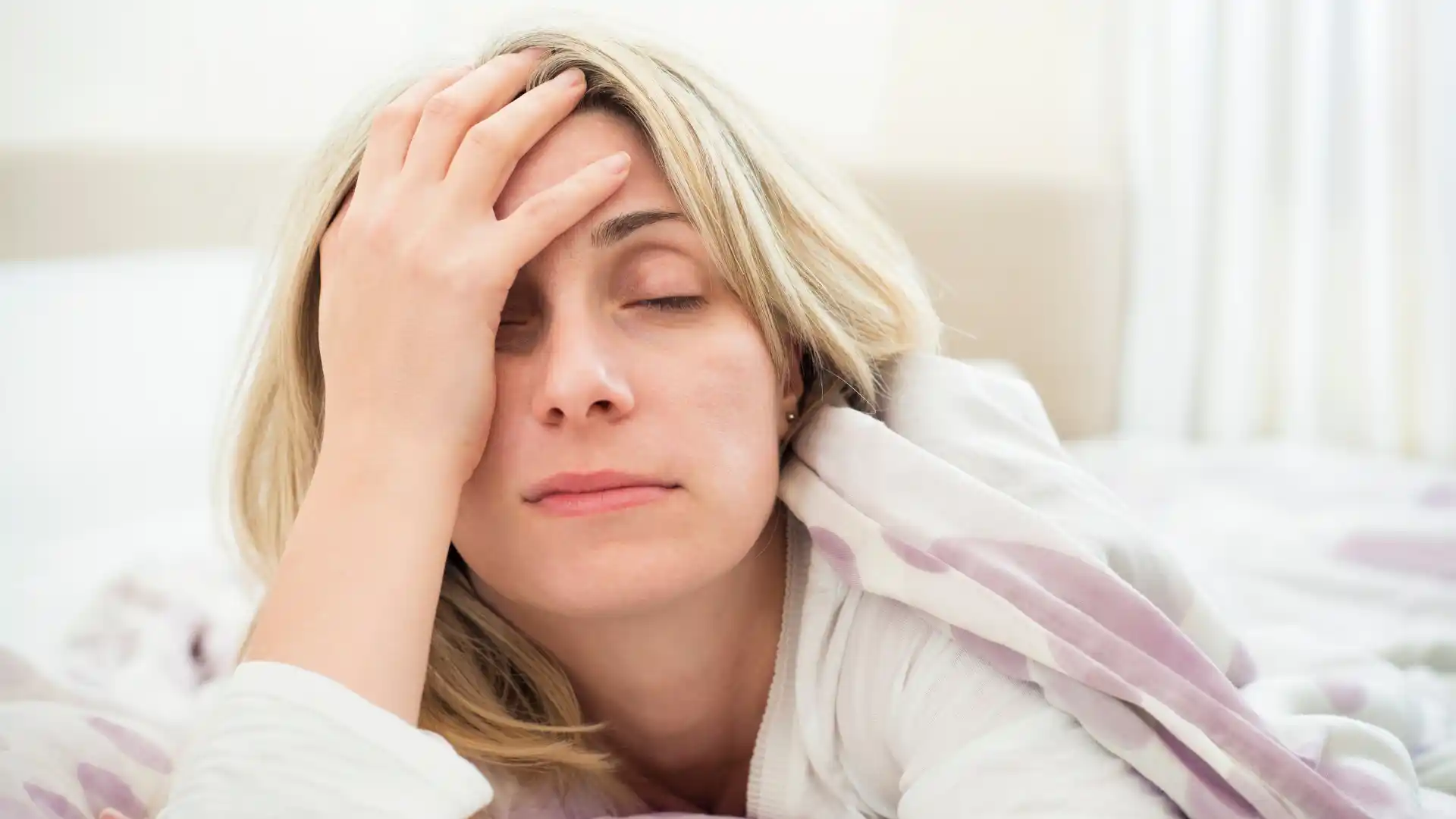
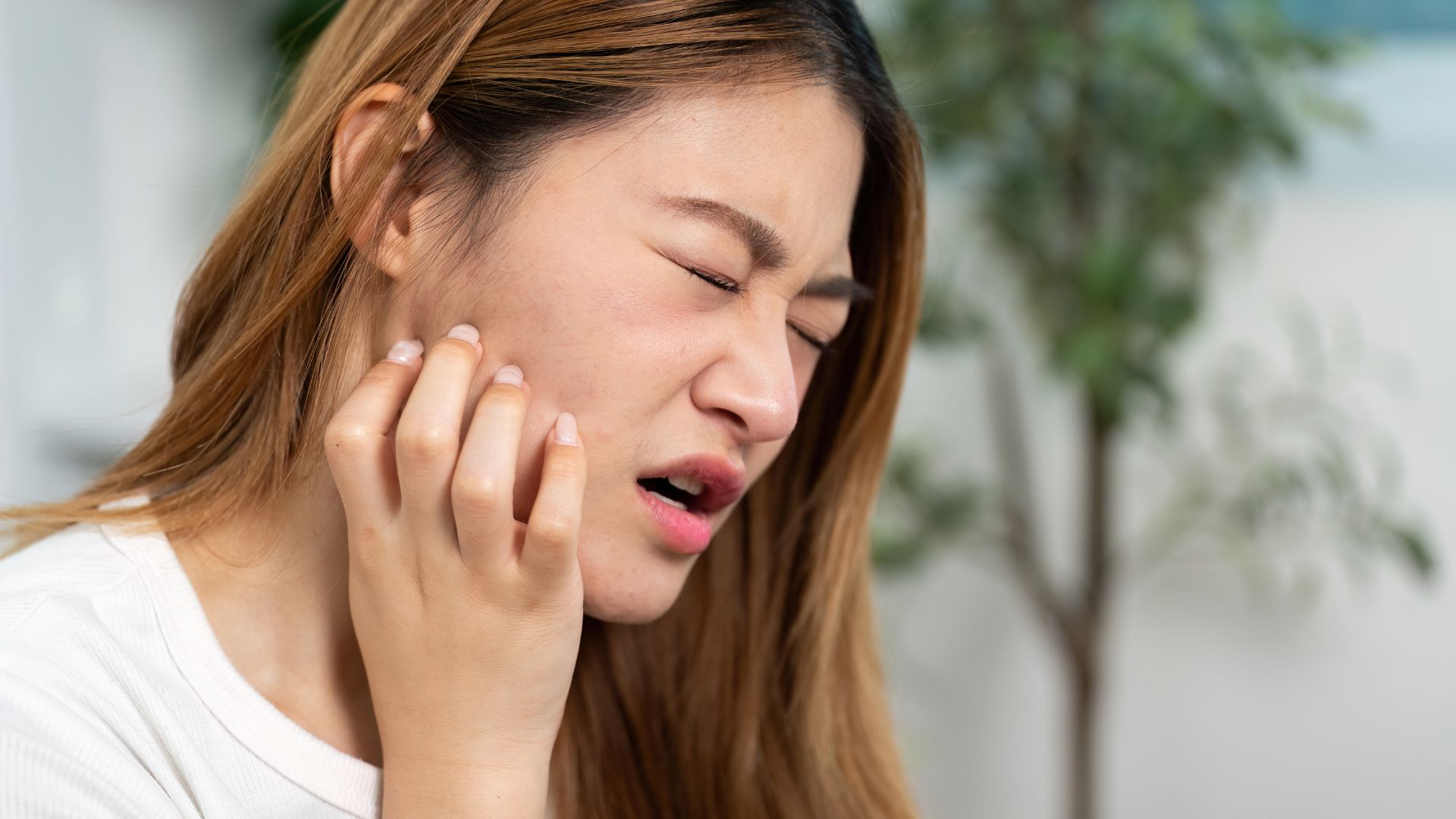
You wake up exhausted even after a full night in bed. Your jaw aches. Your partner mentions you’ve been grinding your teeth. You assume it’s just stress – and you may be partly right. But symptoms like chronic fatigue, teeth grinding, and restless sleep can point to something more than anxiety alone. These are also possible signs of sleep apnea, a condition that feeds off stress and makes it worse. Making the connection between stress and sleep apnea is often the first step toward getting the improved rest you need to go about your day.
How Stress and Sleep Apnea Can Affect Each Other
Stress can do more than just keep your mind racing at night. It also changes how your body functions during sleep. Anxiety causes your muscles to tense up, including those in your throat and jaw. The tension can narrow your airway and make breathing interruptions more likely. Sleep apnea then disrupts your rest, leaving you tired and irritable the next day. That exhaustion makes everyday stressors feel overwhelming, further feeding your anxiety. As a result, the cycle continues.
Sleep apnea also triggers your body’s stress response. Each time your breathing stops, your brain jolts you awake, even if you don’t remember it. Your heart rate spikes. Stress hormones flood your system. You might experience dozens of these episodes every hour without realizing it. Over time, this constant state of alert wears you down mentally and physically.
Can Stress Cause Sleep Apnea or Only Worsen Symptoms
Stress alone doesn’t create the physical blockages that define obstructive sleep apnea. The condition stems from anatomical factors – your airway structure, tongue position, or excess tissue in your throat. However, stress absolutely makes existing sleep apnea worse. It increases muscle tension that narrows your airway further. It disrupts your sleep quality and makes you more vulnerable to breathing interruptions.
Some patients have symptoms that seem to appear suddenly during high-stress periods. The sleep apnea was always there, but stress brought it to the surface. You can’t stress yourself into developing sleep apnea, but anxiety can transform mild, unnoticed symptoms into severe nightly disruptions that demand attention.
Signs Stress May Be Making Sleep Apnea Worse
Your body sends clear signals when stress and sleep apnea feed off each other. You might notice worsening symptoms during particularly challenging periods at work or at home. The following potential warning signs tell you the combination needs professional attention:
- Teeth grinding or jaw clenching that leaves you with headaches or dental damage
- Increased daytime fatigue even when you think you’re sleeping enough
- More frequent nighttime awakenings or restlessness
- Heightened irritability or difficulty concentrating during the day
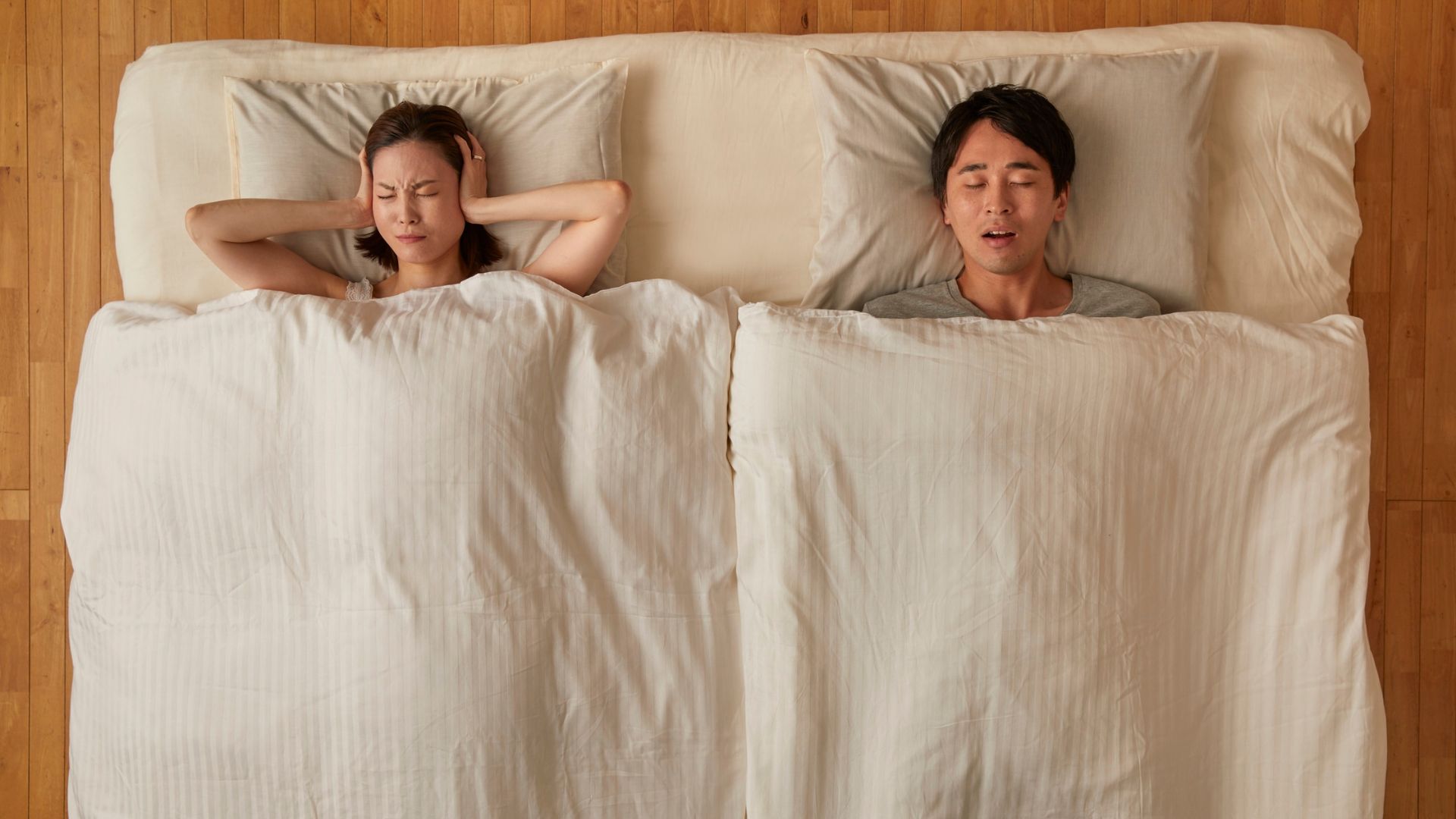
- Worsening snoring that your partner notices during stressful weeks
Sleep apnea patients often report that their symptoms fluctuate with their stress levels. You might sleep relatively well during calm periods, but struggle significantly when your anxiety peaks. This pattern confirms the link between your mental state and your breathing during sleep. Tracking changes in your sleep and your sleep apnea symptoms can help you understand how stress affects your condition and guide more effective treatment.
Practical Ways to Manage Stress While Treating Sleep Apnea
Addressing both conditions together produces better results than treating either one alone. CPAP machines remain a common option, but many patients find them uncomfortable or difficult to use consistently. That’s where the oral appliances we offer at Silent Night Airway Health can provide a practical alternative. We recommend a combined approach that targets both your sleep apnea and your stress:
- Custom oral appliances gently reposition your jaw to keep your airway open throughout the night, offering a comfortable alternative to CPAP that you’ll actually use every night.
- Consistent sleep schedules help regulate your body’s stress response and make treatment more effective.
- Relaxation techniques before bed, such as deep breathing or progressive muscle relaxation, reduce physical tension that worsens airway obstruction.
- Regular exercise lowers overall stress levels and can reduce sleep apnea severity over time.
- Limiting caffeine and alcohol, especially in the evening, prevents additional sleep disruption.
The team at Silent Night Airway Health can work with you to find solutions that fit your lifestyle and address both issues simultaneously.
Contact Silent Night Airway Health to Discuss Your Treatment Options
You don’t have to suffer with sleep apnea – and you don’t have to live with exhausted mornings and restless nights. At Silent Night Airway Health, our team offers at-home sleep testing and custom oral appliances that work while you sleep. We accept most insurance plans and will guide you through every step. Schedule your complimentary consultation today and discover how simple it can be to finally rest well. Your better sleep starts with a single call to our office at (631) 983-2463.
Related Blogs
22 October 2026


11 October 2026
1 October 2026


