


 Back To Blogs
Why People Snore Without Sleep Apnea: Common Causes Explained
Posted By:

March 16, 2026

7:01 PM
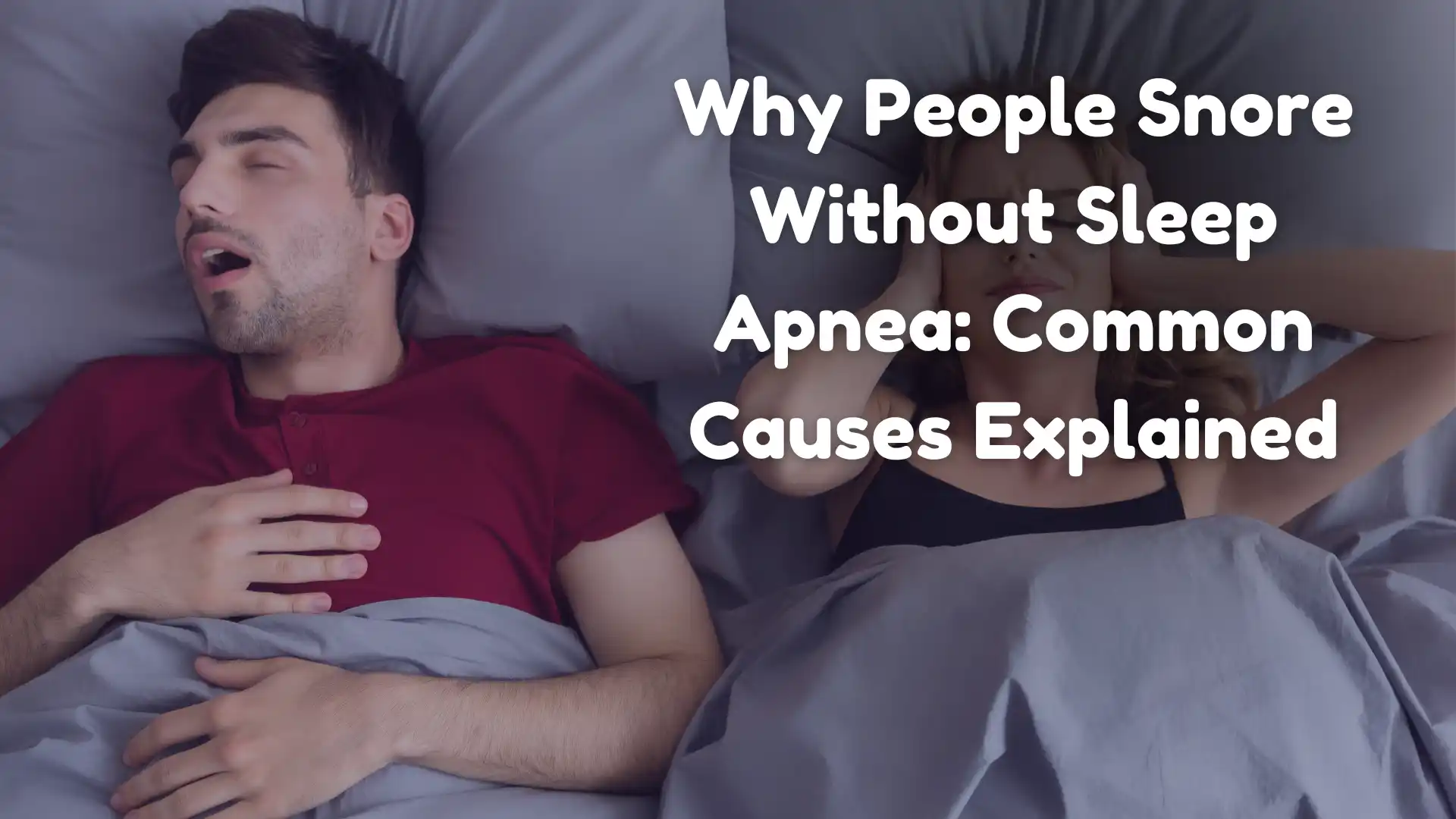
Snoring is a common health issue, and increased awareness of sleep apnea has led many people to assume they snore because they have the condition. However, snoring is not the only cause of sleep apnea. Once you know what might be causing your snoring, you can take proper steps to treat it.
Can You Snore Without Sleep Apnea?
In short, yes, you can snore without sleep apnea. Snoring happens when airflow causes the tissues in your throat to vibrate. Many people snore regularly without ever experiencing the breathing interruptions that define sleep apnea.
That said, snoring and sleep apnea are closely related. Snoring can serve as an early warning sign of a more serious underlying issue. So, while snoring alone doesn’t mean you have sleep apnea, it’s worth taking the issue seriously. A professional evaluation can help you understand what’s driving your snoring and whether you need treatment.
What Causes Snoring When You Do Not Have Sleep Apnea
Some common causes of snoring that do not relate to sleep apnea include:
- Nasal congestion – Allergies, colds, or a deviated septum can block your nasal passages. Having blocked nasal passages forces you to breathe through your mouth, which increases the likelihood of snoring.
- Alcohol consumption – Drinking alcohol before bed relaxes the muscles in your throat more than usual. This extra relaxation can narrow your airway and trigger snoring, even in people who usually don’t snore.
- Sleep position – Sleeping on your back causes your tongue and soft palate to fall toward the back of your throat. These actions can partially block airflow and cause snoring.
- Excess weight – Extra weight around your neck can put additional pressure on your airway and cause it to narrow. A more constricted airway makes it harder for air to flow freely during sleep.
- Age – As we get older, our throat muscles naturally lose tone. Weaker muscles vibrate more easily, which makes snoring more common in older adults.
- Smoking – Smoking irritates and inflames the tissues lining your airway. This swelling restricts airflow and significantly increases your risk of snoring.
- Anatomy – Some people have a naturally narrow airway, enlarged tonsils, or a long soft palate. These structural features can cause snoring regardless of lifestyle factors.
Signs Your Snoring Might Be Sleep Apnea
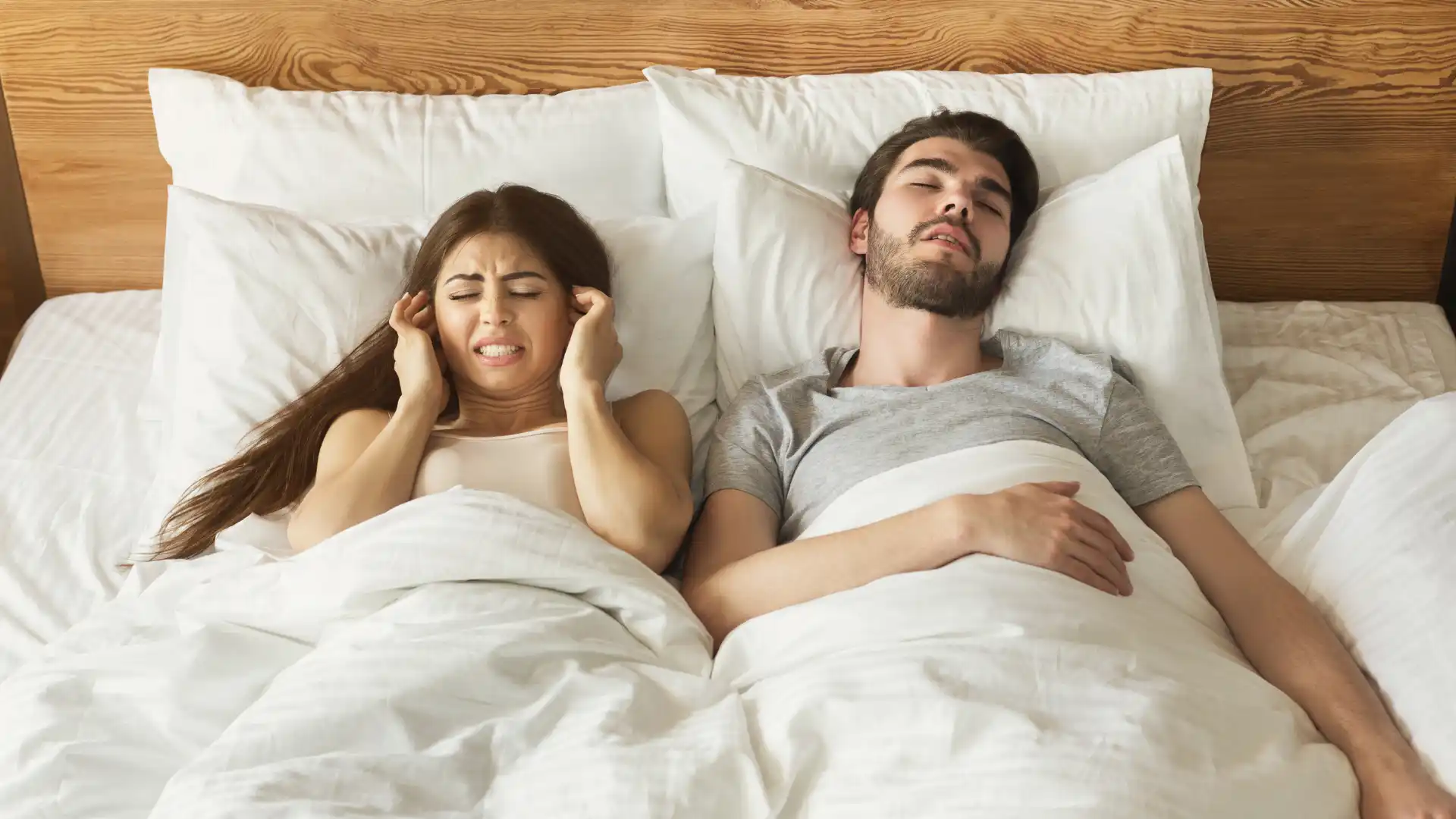
Snoring isn’t always a symptom of sleep apnea, but it is a common indicator. Some signs that your snoring is the result of sleep apnea include:
- Loud, disruptive snoring every night – Occasional snoring is common. But loud, persistent snoring is cause to seek professional help, particularly if it disturbs your bed partner most nights.
- Gasping or choking during sleep – Similarly, a bed partner who notices you gasping, choking, or suddenly jolting awake is observing a classic sleep apnea warning sign.
- Witnessed breathing pauses – Sleep apnea causes your breathing to stop entirely for several seconds at a time. If someone has noticed you stop breathing during sleep, schedule an evaluation promptly.
- Waking up unrefreshed – Sleep apnea fragments your sleep cycles repeatedly throughout the night. As a result, you may spend eight hours in bed but still wake up feeling exhausted. Seek professional treatment if this happens to you often.
- Excessive daytime sleepiness – Struggling to stay alert during meetings, conversations, or while driving are common indicators of severely disrupted sleep.
- Morning headaches or dry mouth – Waking up with a headache or parched throat suggests your body struggled to maintain proper oxygen levels overnight. Low oxygen levels while sleeping are a key symptom of sleep apnea.
- Irritability, mood changes, or brain fog – Sleep apnea disrupts deep, restorative sleep. Over time, these disruptions take a significant toll on your mood, memory, and concentration.
Oral Appliance Treatment for Sleep Apnea
Even when people know or suspect they have sleep apnea, they often hesitate to seek treatment. In particular, sleep apnea patients often don’t like using loud and bulky CPAP machines.
However, there’s a better, less obtrusive treatment for sleep apnea: oral appliance therapy. A custom oral appliance can tweak your jaw position during sleep to promote proper airflow and reduce sleep apnea symptoms. You put in the appliance before you sleep, then remove it when you wake up, all without the hassle of a CPAP machine.
At Silent Night Therapy, we specialize in treating sleep apnea with custom oral appliances. If you struggle to get a good night’s sleep, our team can evaluate you and fit an appliance to your mouth. We serve clients throughout Long Island and greater New York, and we have two offices for your convenience: one in West Babylon and another in Patchogue.
Don’t wait to start getting the restful sleep you need and deserve. Call Silent Night Therapy today or complete our contact form to schedule an appointment.
Related Blogs

15 February 2026


