


 Back To Blogs
Better Sleep Without CPAP: How Oral Appliance Therapy Works
Posted By:

March 9, 2026

7:00 PM
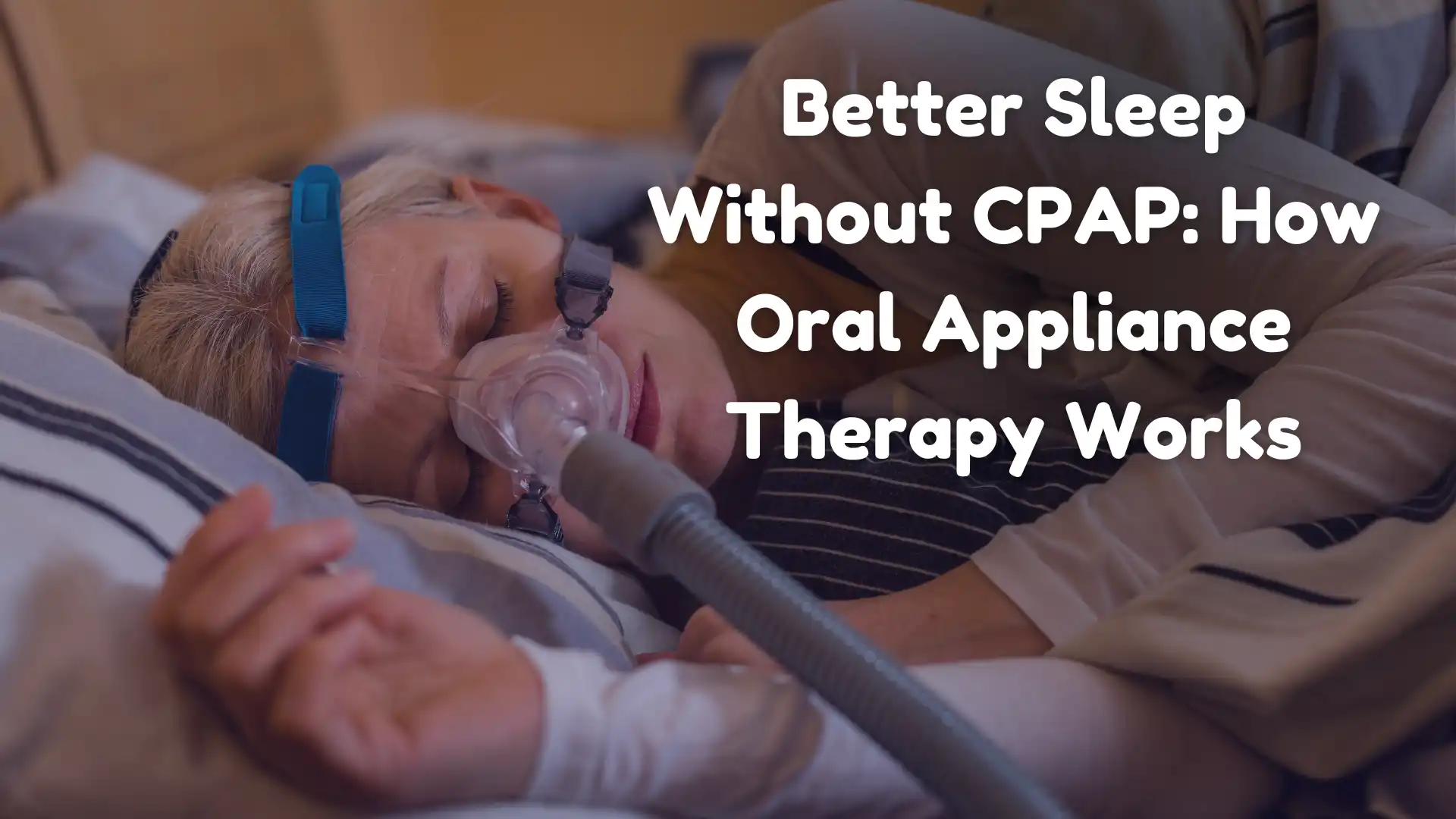
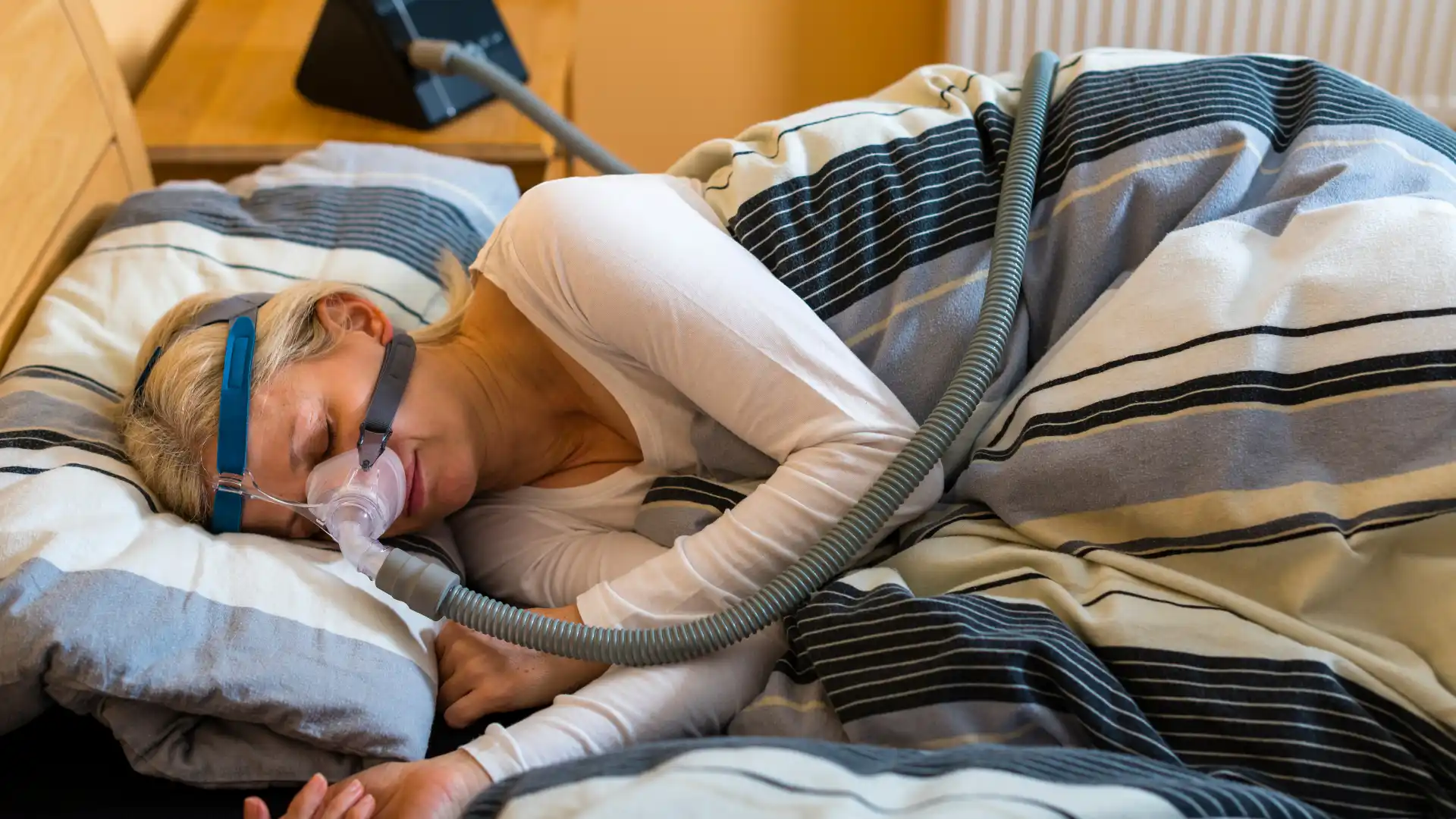
Many people struggle to get a good night’s sleep due to sleep apnea. However, the most common method for treating sleep apnea—a CPAP machine—can be unpleasant and uncomfortable to use. Fortunately, there’s a better alternative for treating sleep apnea: Oral appliance therapy.
What Is an Oral Appliance for Sleep Apnea?
An oral appliance for sleep apnea is a small, custom-fitted device that you wear in your mouth while you sleep. It looks similar to a sports mouthguard or a dental retainer.
The appliance gently repositions your lower jaw or tongue to keep your airway open throughout the night. This repositioning prevents the airway collapse that causes apnea episodes and disruptive snoring.
Unlike a CPAP machine, an oral appliance requires no mask, no tubing, and no electricity. You simply insert it before bed and remove it in the morning. Since the appliance fits your unique anatomy, this ensures maximum comfort and effectiveness from night one.
How Oral Appliance Therapy Works to Improve Breathing
Oral appliance therapy works by addressing the root cause of sleep apnea: airway obstruction. During sleep, the muscles in your throat relax. For people with sleep apnea, this relaxation causes the airway to narrow or collapse entirely. That effect triggers breathing interruptions that can happen dozens or even hundreds of times per night.
An oral appliance corrects this by holding your lower jaw in a slightly forward position. This shift tightens the soft tissues around your airway to keep it open while you sleep. Oral appliances also help with sleep apnea by stabilizing the tongue to prevent it from falling back, which can block airflow.
When the appliance works as intended, the result is fewer breathing interruptions, higher oxygen levels, and more restorative sleep. Most patients notice improvements within the first few nights.
Who May Benefit Most from Oral Appliance Therapy
Those who may benefit the most from oral appliance therapy to treat sleep apnea include:
- Patients with mild to moderate sleep apnea – Research consistently shows that oral appliances are most effective for this group. Many patients in this category achieve excellent results without ever needing a CPAP machine.
- CPAP-intolerant patients – Some people cannot tolerate CPAP therapy for various reasons. The mask might feel claustrophobic, the noise can disrupt sleep, or the equipment may prove too cumbersome. Oral appliance therapy offers a comfortable, practical alternative for people who dislike or can’t use a CPAP machine.
- Frequent travelers – A small, lightweight oral appliance fits easily in a travel bag. It requires no power source and doesn’t trigger any issues at airport security.
- Snorers without a formal sleep apnea diagnosis – Loud, chronic snoring is often a sign of an underlying airway issue. An oral appliance can reduce snoring significantly and improve sleep quality for both the patient and their partner.
- Patients seeking a discreet, low-maintenance solution – Oral appliances require no complicated setup. Patients simply wear the device at night, clean it in the morning, and go about their day.
What to Expect With Fitting, Adjustments, and Follow-Up
Getting an oral appliance starts with a comprehensive consultation and exam. Your provider will evaluate your oral health, review your sleep study results, and take precise impressions or digital scans of your teeth. A dental lab then uses those measurements to custom-fabricate your appliance.
Once your appliance arrives, your provider will fit it carefully and walk you through how to wear and care for it. Most patients need a short adjustment period as they get used to the device’s feel. Your provider will likely schedule follow-up appointments to fine-tune the appliance’s jaw positioning for optimal comfort and effectiveness.
Ongoing follow-up care is crucial to the long-term success of oral appliance therapy. Your provider will monitor your progress, check for any changes in your bite, and coordinate with your physician as needed. Lastly, Many providers also recommend periodic sleep testing to confirm that your appliance continues to control your sleep apnea effectively over time.
Learn More About Sleep Apnea Oral Appliances from Silent Night Therapy
At Silent Night Therapy, we specialize in treating sleep apnea using oral appliances. We have extensive experience with these devices and how they can help you achieve quality sleep without a bulky CPAP machine. If you’re consistently having trouble sleeping, we can evaluate you for an oral appliance and help you get the good night’s rest you need. Call now or complete our contact form to schedule an appointment.
Related Blogs

15 February 2026
9 February 2026


