



 Back To Blogs
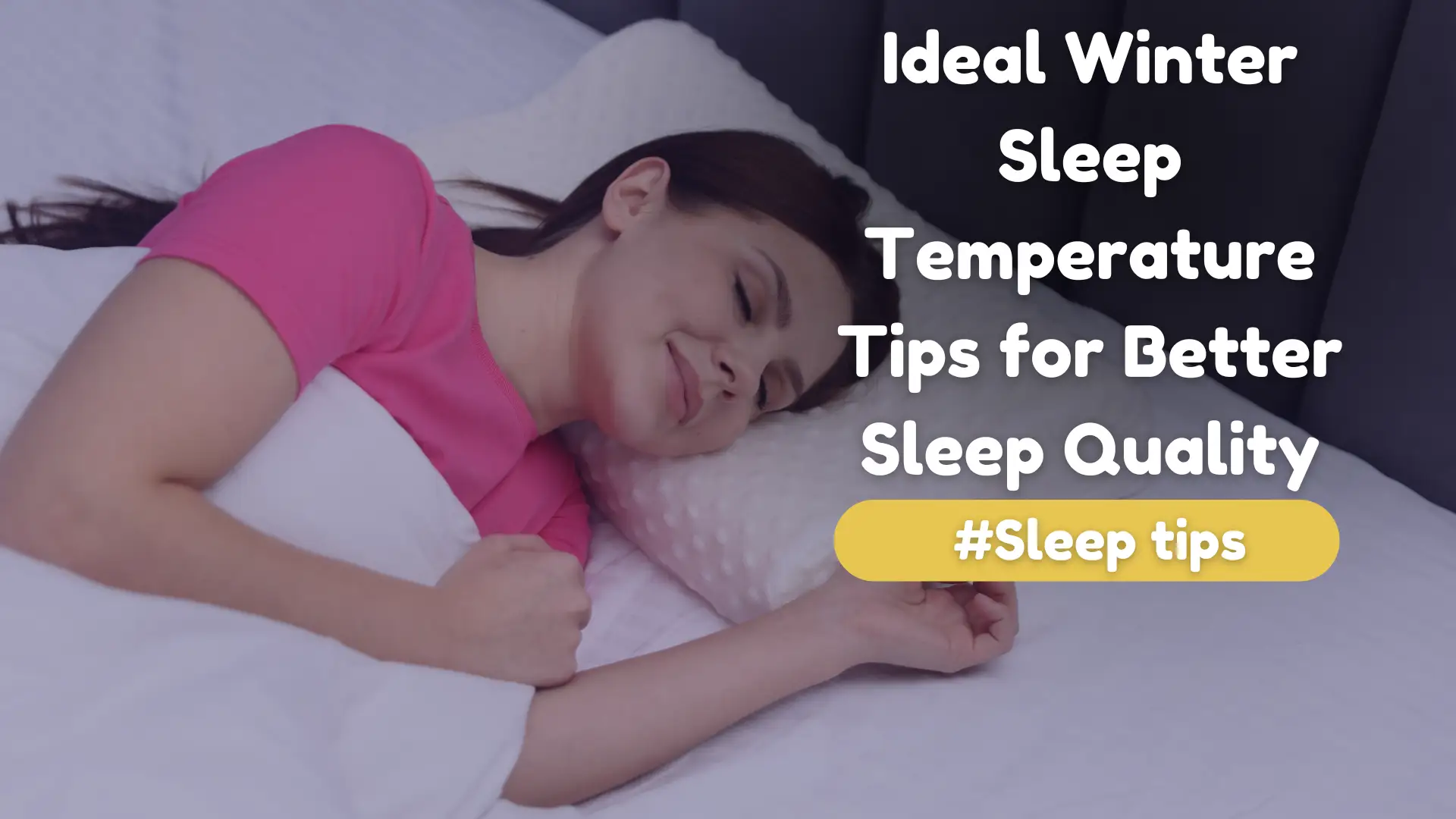
Ideal Winter Sleep Temperature Tips for Better Sleep Quality
Posted By:

February 9, 2026

9:00 AM
Do you ever find yourself tossing and turning on winter nights, unable to get comfortable no matter how many blankets you pile on? You’re not alone. As temperatures drop, getting quality sleep can become more difficult. This is especially true if your bedroom isn’t set up for seasonal comfort.
Adjusting your sleep environment during winter could be the key to more restful nights. You may not have your thermostat set to the ideal temperature for sleeping in winter. The temperature of your room plays a bigger role in sleep than many people realize. Understanding how cooler conditions affect your body and making a few simple adjustments can lead to deeper, more restorative sleep all season long.
What Is the Ideal Temperature for Sleeping in Winter
The recommended bedroom temperature for sleep typically falls between 60 and 67 degrees Fahrenheit. This is the case even in winter. It might seem low when it’s cold outside, but this range supports deeper rest. If you’re waking up too hot, too cold, or sweating under heavy blankets, it may be time to adjust your setup. Start by setting your thermostat within that range and paying attention to how your body responds overnight.
Why Cooler Bedroom Temperatures Help You Sleep Better
Your body temperature naturally drops at night as part of your sleep cycle. A cooler bedroom helps support this process, signaling to your brain that it’s time to rest. When the room is too warm, your body may struggle to reach or maintain the lower core temperature needed for quality sleep. This can lead to restlessness, frequent wake-ups, or even difficulty falling asleep in the first place.
Cooler temperatures also support melatonin production, the hormone that helps regulate sleep. If your environment is too hot, it can disrupt your melatonin levels and interfere with your sleep-wake rhythm. Cooler air may also contribute to deeper, more restorative sleep by encouraging your body to stay in the deeper stages of the sleep cycle longer.
While everyone’s comfort level is different, slightly lowering your bedroom temperature can create an environment that better aligns with your body’s natural sleep signals.
Winter Sleep Setup Tips
Keeping your bedroom at an ideal room temperature for sleep is a great starting point for better winter sleep, but temperature is only one part of the equation. If your environment or nightly habits aren’t supporting rest, even the perfect thermostat setting won’t be enough. A few practical changes – some simple, others more strategic – can make your bedroom more sleep-friendly during the colder months. Here are some tips to build a better winter sleep setup:
- Use Breathable Bedding – Heavy comforters are cozy, but they can trap heat and cause night sweats. Look for natural fibers like cotton or wool that keep you warm without overheating.
- Layer Blankets Instead of Using One Thick One – This allows you to adjust your warmth level throughout the night without disrupting your sleep.
- Keep Your Feet Warm – Having cold feet can make it harder to fall asleep. Wearing socks or using a hot water bottle at the foot of the bed can help.
- Reduce Light Exposure – Winter nights are longer, but artificial lighting and screens can still interfere with your body’s melatonin production. Use blackout curtains and dim lighting in the hour before bed.
- Limit Screen Time – The blue light from phones, tablets, and TVs can delay your natural sleep cycle. Try turning off devices at least 30 minutes before going to sleep.
- Stay Consistent with Your Bedtime – With less daylight in winter, it’s easy for your internal clock to shift. Going to bed and waking up at the same time each day supports a more stable sleep pattern.
- Watch What You Eat and Drink – Having heavy meals, caffeine, or alcohol too close to bedtime can disrupt your ability to fall and stay asleep, even if your room feels comfortable.
Still Struggling to Sleep This Winter? Talk to Silent Night Airway Health About Oral Appliance Therapy for Sleep Apnea
Sometimes, despite our best efforts, we still have obstacles to getting a good night’s sleep. For some people, that comes in the form of sleep apnea. If you’re keeping your bedroom at the ideal temperature for sleeping in winter but still waking up feeling unrested, there may be something deeper going on. Contact Silent Night Airway Health today to arrange a sleep test and discuss how oral appliance therapy might help you breathe easier and sleep more soundly this winter and beyond.
Related Posts:
Related Blogs
22 October 2026


11 October 2026
1 October 2026


