


 Back To Blogs
Pediatric Sleep Apnea Symptoms Signs Parents Should Know
Posted By:

May 19, 2026

6:32 PM
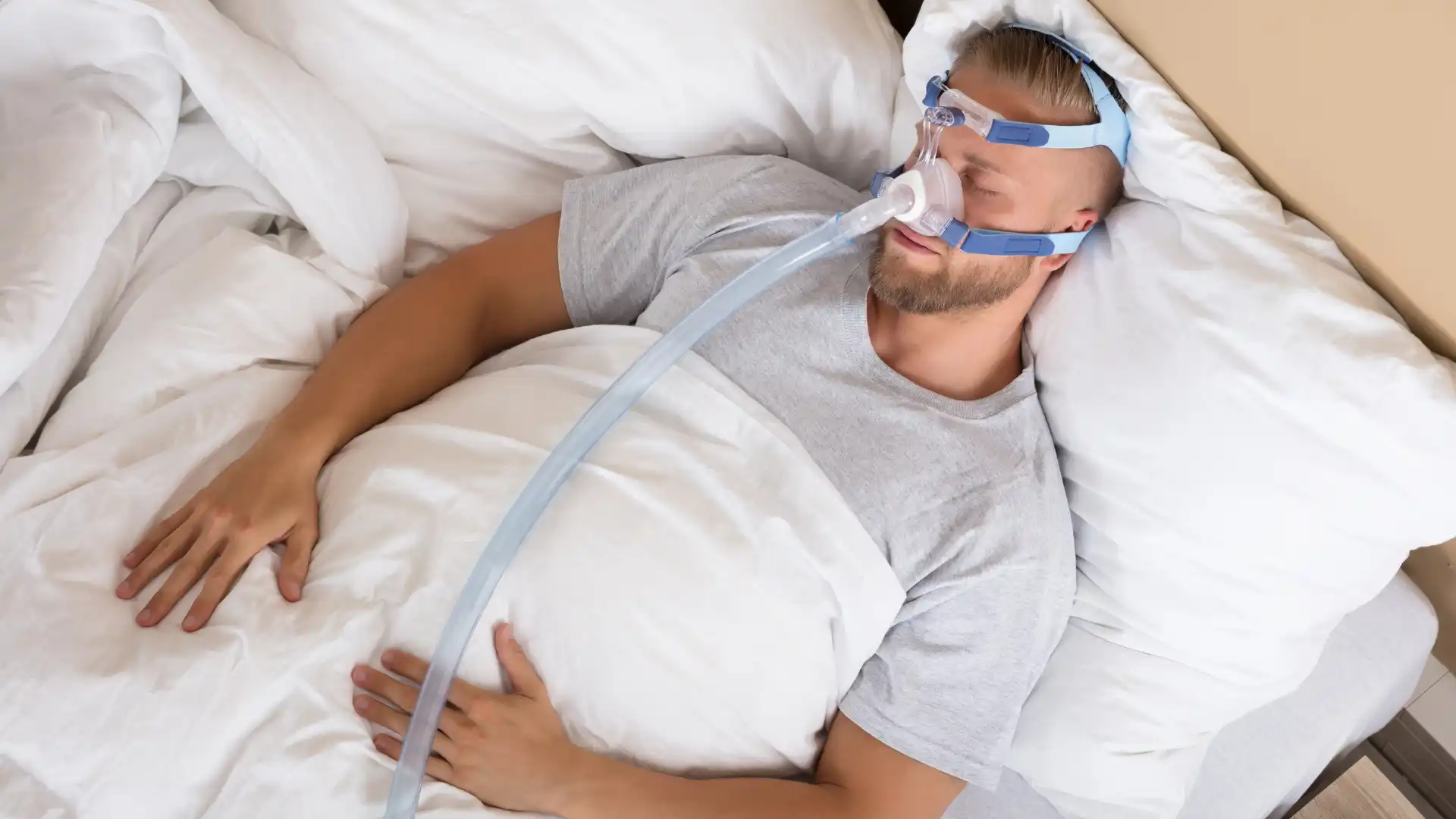
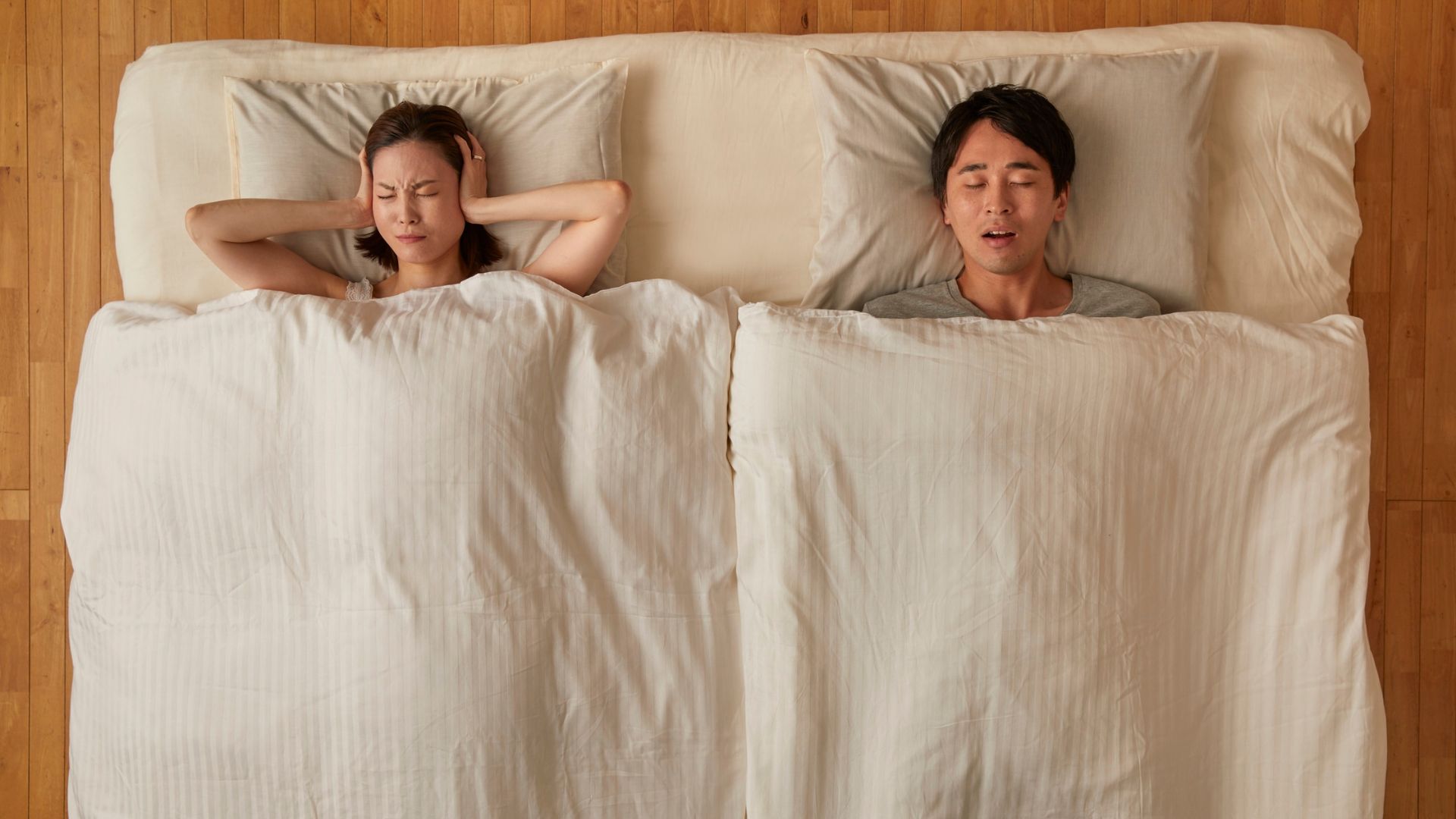
Sleep apnea in children can be easy to miss. Many parents assume snoring or restless sleep are just normal phases. However, these symptoms aren’t always harmless, and you shouldn’t dismiss them. If your child has trouble breathing while sleeping, the effects can carry over into their schooling, behavior, overall health, and daily life. By knowing what pediatric sleep apnea symptoms to watch for, you can spot problems sooner and ask better questions when you bring your child to a specialist.
What Pediatric Sleep Apnea Is and Why Symptoms Look Different in Kids
Pediatric sleep apnea is a sleep-related breathing disorder that causes repeated pauses or limitations in your child’s airflow during sleep. These breathing problems can disrupt their rest, even when they seem to sleep through the night.
Sleep apnea often looks different for kids than it does for adults. The primary symptom for many adults is daytime tiredness, but children’s sleep apnea may manifest in a variety of ways. This is largely because a child’s body and brain are still developing. Age can also shape how the condition appears. Toddlers, school-age children, and teenagers may respond very differently to nighttime breathing problems and sleep disruption. Parents should always look at the full picture rather than expect to see a single obvious pattern.
Nighttime Symptoms of Sleep Apnea in Children
Parents may notice changes in their child’s sleep before the child realizes anything is wrong. Even if a child knows something isn’t right, they may be unable to express themselves. The following common nighttime signs can point to a sleep-related breathing problem that needs medical attention:
- Loud, regular snoring
- Pauses in breathing
- Gasping or choking sounds
- Restless sleep or frequent tossing
- Mouth breathing during sleep
- Sweating at night
- Bedwetting beyond the expected age
- Unusual sleep positions, such as sleeping with the neck stretched back
Daytime Symptoms and Behavior Changes Linked to Pediatric Sleep Apnea
Sleep apnea can change how a child feels, acts, and functions during the day. Signs of sleep apnea that may appear during their waking hours include:
- Trouble waking up
- Dry mouth after waking
- Morning headaches
- Daytime sleepiness
- Irritability or mood swings
- Trouble focusing at school
- Poor school performance
- Hyperactive behavior
- Lower energy during play or daily activities
- Speech or learning concerns
Keep in mind that these behaviors and changes can result from a wide range of causes, of which poor sleep is just one. Always seek your pediatrician’s input when you notice unexpected, unexplained changes in your child’s mood or behavior.
Common Causes and Risk Factors in Children
Children may face a heightened risk of sleep apnea if they have other physical traits or health conditions that make breathing more difficult. Some of the most common causes and risk factors of pediatric sleep apnea include:
- Enlarged tonsils or adenoids
- A narrow jaw or crowded mouth
- Nasal blockage or chronic congestion
- Obesity
- Allergies that affect breathing
- Certain genetic conditions
- Neuromuscular disorders
- A family history of sleep apnea
When to Talk to a Clinician and How Diagnosis Works
Anytime there may be something going on with your child’s health is a cause for concern. Schedule an appointment with your child’s doctor if they’re showing common symptoms or behaving in unusual ways without any clear explanation. The same goes for if your child is struggling to focus or you’re having an especially difficult time getting them up and going in the morning. These patterns don’t always mean your child has sleep apnea, but they do warrant attention.
The doctor will usually start by reviewing your child’s health history and conducting a physical exam. They may ask about your child’s sleep habits, breathing patterns, behavior, and school performance. In some cases, they may also examine your child’s tonsils, adenoids, jaw, and nasal passages for any signs of airway blockage.
If it seems like your child may be dealing with pediatric sleep apnea, they’ll likely recommend a sleep study. This test tracks your child’s breathing, oxygen levels, and sleep patterns overnight. Ultimately, the treatment will depend on the cause of your child’s breathing issues. Some children may need surgery or other care. In some cases, oral appliance treatment may offer an option for managing their airway issues.
Contact Silent Night Airway Health to Learn More About Sleep Apnea Treatment Options for Kids
If your child shows signs of sleep apnea, it may be time to start asking questions and looking into possible treatment options. Silent Night Airway Health offers guidance on oral appliance treatment for sleep apnea, which may help your child breathe better during sleep. Contact us online or call us at (631) 983-2463 to schedule an appointment for an evaluation.
Related Blogs
22 October 2026


11 October 2026
1 October 2026


